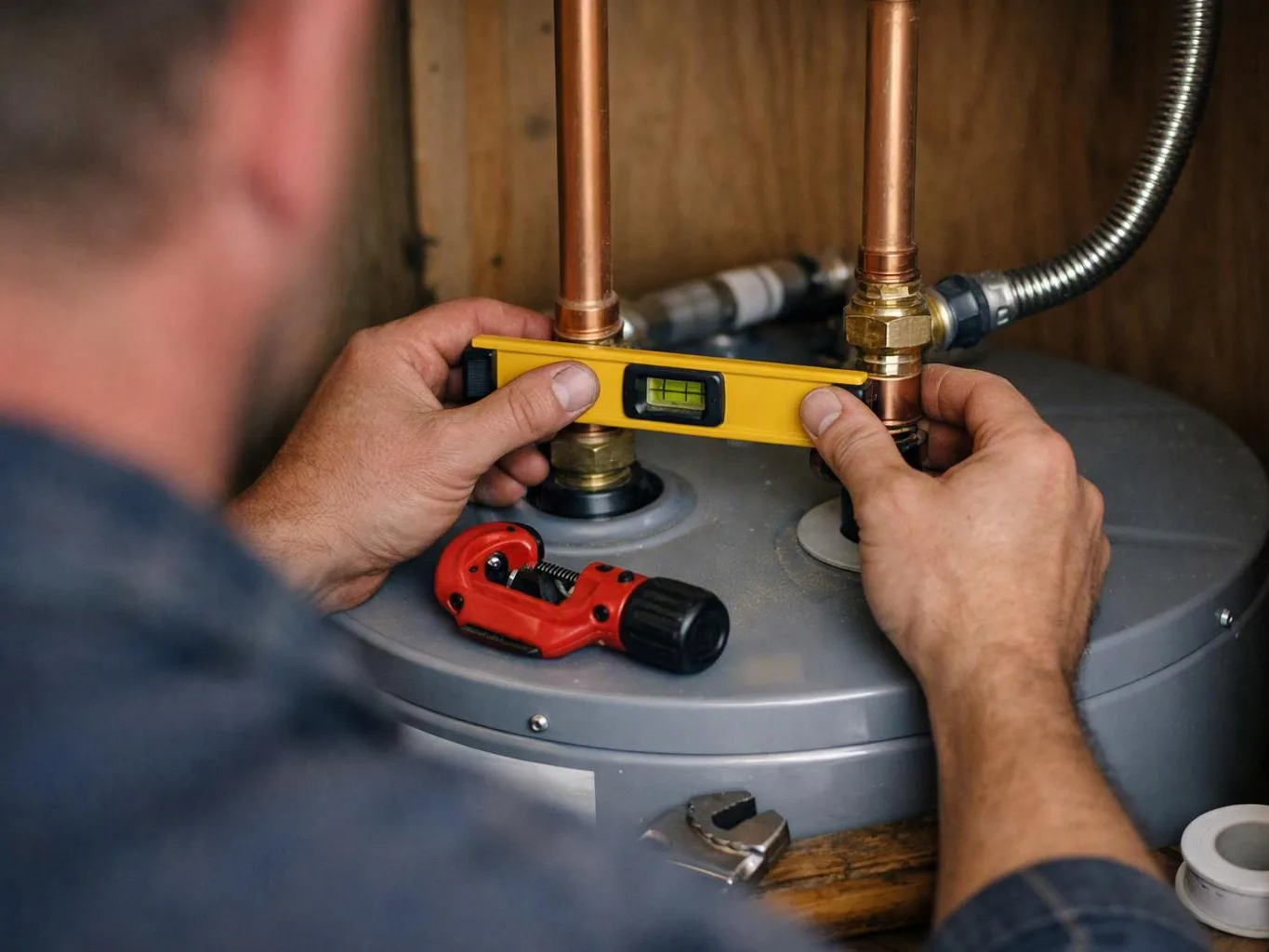
Slab Leak Detection: Signs, Equipment, and Next Steps
Slab leak detection combines water-use clues, sound testing, pressure checks, and targeted inspection to locate leaks beneath concrete. PlumbingKentwa.info uses the findings to explain the repair path and connect readers with leak detection and slab leak repair services.
Request an EstimateWhat Is Slab Leak Detection?
Slab leak detection is a plumbing inspection process that locates leaks beneath or near a concrete foundation. A water supply line can leak below a concrete slab without showing an obvious pipe break.
Our team studies the plumbing system, foundation, and visible moisture clues. We use leak locating methods to narrow the hidden plumbing leak before discussing repair access.
What Are the Signs of a Slab Leak?
Slab leak signs include unexplained water sounds, warm or damp floors, low pressure, mold odors, and visible moisture. A single sign may have another cause, so our team checks the plumbing system before confirming the leak.
Watch for changes that continue when fixtures are off. These clues can help our team focus the inspection area.
How Do Plumbers Detect a Slab Leak?
PlumbingKentwa.info detects a slab leak by narrowing the plumbing zone, testing the water system, and confirming leak sounds or heat patterns. Our team uses several findings together because no single test locates every hidden leak.
The inspection follows a controlled process that limits unnecessary disturbance. Our Leak Detection service connects these tests with a clear leak location and repair plan.
What Happens During the Inspection?
Our plumbing inspection starts with fixture checks and a review of water-use symptoms. We identify whether the concern may come from a fixture, valve, or under-slab plumbing.
Our team may use the water shutoff before performing a pressure test. Acoustic confirmation and other readings then help support the inspection findings.
What Equipment Is Used for Slab Leak Detection?
Slab leak detection equipment helps our team hear, measure, or visualize clues that point to a hidden water leak. We choose equipment based on the plumbing layout and the symptoms found during inspection.
Each tool provides a different type of evidence. Our team combines readings before recommending targeted access.
| Equipment | What it helps show |
|---|---|
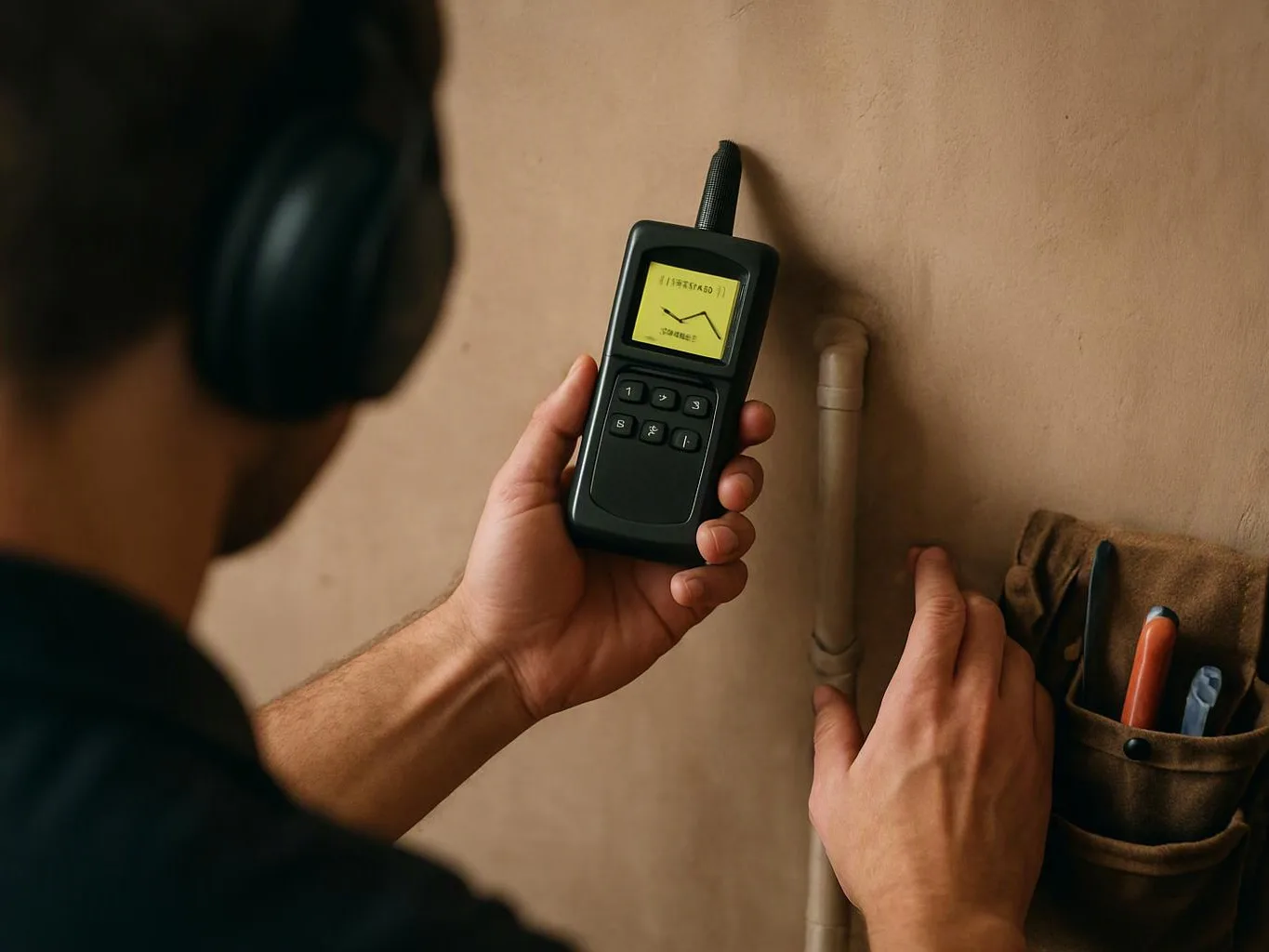
| Acoustic listening device | Sound from water escaping or moving through a concealed pipe |
| Thermal imaging camera | Temperature patterns near hot or cold water lines |
| Pressure gauge | Pressure changes that may support a supply line leak finding |
| Moisture meter | Moisture levels in flooring or nearby materials |
| Electronic leak detector | Electronic listening signals used for pinpoint leak detection |
| Plumbing access point | A controlled opening when inspection findings support access |
Can Thermal Imaging Find a Slab Leak?
Thermal imaging can reveal temperature changes linked to some slab leaks, but our team confirms the finding with other tests. A hot water line leak may create a warm pattern, while a cold water line can create a different temperature change.
A thermal scan doesn't prove a leak by itself. Flooring, insulation, sunlight, and other heat sources can create false positives, so we use moisture detection, pressure testing, or acoustic listening for confirmation.
Does Slab Leak Detection Require Breaking Concrete?
Slab leak detection usually starts with non-invasive testing, and concrete access is considered only after the leak location is narrowed. Our team uses sound, pressure, temperature, and moisture clues before choosing an access point.
When access is needed, targeted access limits disruption to the flooring and concrete. We explain the repair access, concrete cutting, and damage control plan before work begins.
What Should You Do After a Slab Leak Is Located?
After a slab leak is located, our team explains the repair area, access method, pipe condition, and next steps before work begins. Quick water shutoff can help limit property damage when an active leak is present.
Our repair plan depends on the pipe route, damage, and condition of the surrounding materials.
What Affects the Cost of Slab Leak Repair?
Slab leak repair cost depends on the leak location, pipe condition, access method, and restoration work. Pipe rerouting and the overall repair scope can also change the work involved.
Our quote accounts for inspection findings, repair access, materials, and related restoration. We provide an exact quote after inspection so you can review the repair options clearly.
When Should You Contact PlumbingKentwa.info?
Contact our team when a persistent water sound, active leak, water damage, or low water pressure points to an under-slab problem. Early leak detection can help limit moisture spread and guide the repair choice.
We can assess the signs, perform slab leak detection, and explain whether slab leak repair is needed. Avoid disturbing concrete or plumbing connections yourself when the leak location is uncertain.
Questions About Slab Leak Detection
Can a slab leak cause low water pressure?
Yes, a slab leak can cause low water pressure when escaping water reduces pressure in the supply line. Our team uses pressure testing with other inspection findings to assess the cause.
Can a slab leak damage flooring or walls?
Yes, a slab leak can damage flooring, walls, and nearby materials when moisture spreads. Our team checks for visible moisture and discusses repair access and restoration needs.
How can I tell whether a leak is under the slab?
Water sounds, warm spots, wet floors, pressure loss, and unexplained meter movement can suggest an under-slab leak. Our team confirms the likely leak location through inspection and testing.
What is the difference between a slab leak and a foundation leak?
A slab leak is a plumbing leak beneath or near a concrete slab, while a foundation leak usually describes water entering through the foundation structure. Our team checks the plumbing system and surrounding materials to separate these causes.
Can water meter movement confirm a slab leak?
No, water meter movement can show ongoing water use, but it can't confirm that the leak is beneath the slab. Our team uses pressure testing, acoustic listening, and other checks to confirm the leak location.