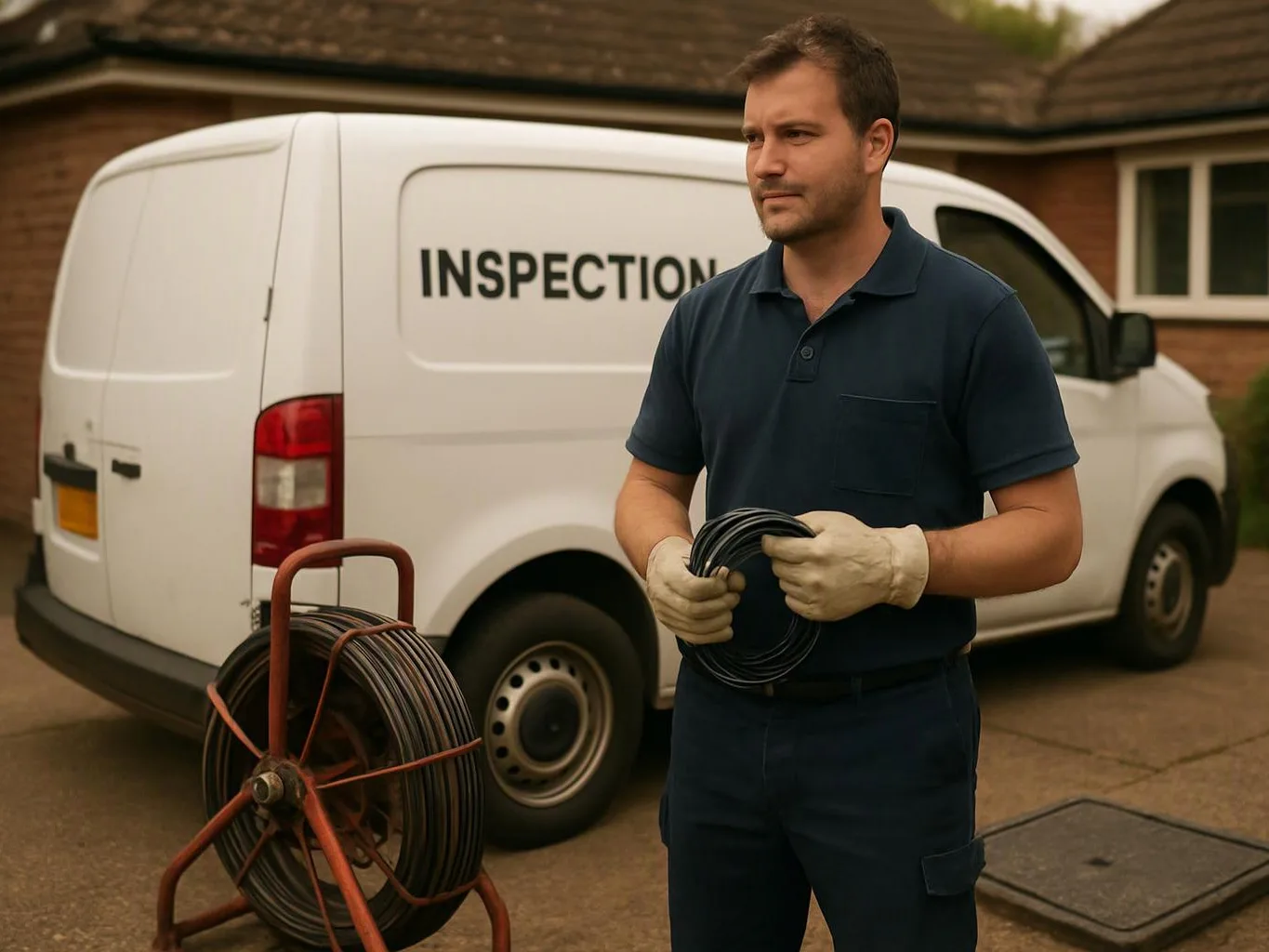
Signs You May Have a Slab Leak
Signs of a slab leak include warm floor spots, damp areas, unexplained water use, running water sounds, low pressure, and new cracks. At PlumbingKentwa.info, we check the plumbing system to confirm the leak source before repair.
Request an Estimate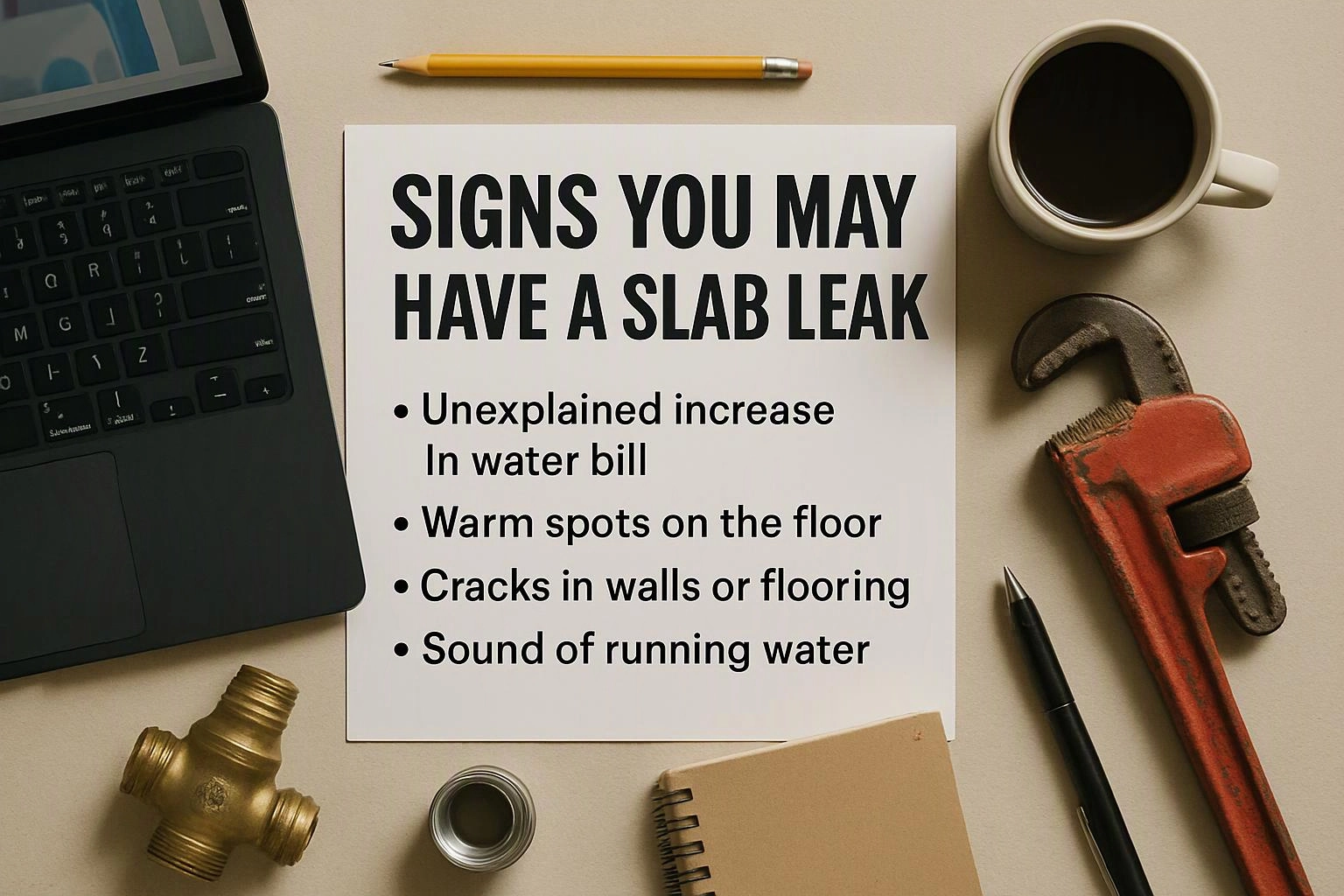
What Are the Warning Signs of a Slab Leak?
A slab leak has visible, audible, and plumbing-related warning signs. Several signs together make a hidden water leak more concerning.
These signs can have other causes, so one symptom doesn't prove a slab leak. We use the pattern, location, and water system response to narrow the cause.
How Can You Tell if a Slab Leak Is Causing the Problem?
A slab leak becomes more likely when several signs appear without another clear plumbing cause. We compare the symptoms, check the water system, and trace the leak before recommending repair.
We start with the water supply and inspect the plumbing system for signs of continuous flow. The water meter can show movement when fixtures are off, but that result still needs careful interpretation.
Our leak detection process helps separate a supply line leak from an appliance, fixture, or drain problem. We use the findings to identify the likely leak location without treating a symptom as final proof.
Can a Slab Leak Cause a Warm Spot on the Floor?
Yes, a slab leak can create a warm floor spot when a hot water line leaks beneath the concrete. We use the location and temperature pattern as clues, not as final proof.
A hot water pipe can warm nearby soil, flooring, and parts of the concrete slab. A temperature change may be easier to notice near a bathroom, kitchen, or other area served by hot water piping.
We compare the warm spot with the hot water system and nearby fixtures. That check helps us decide whether the issue involves under-slab plumbing or another source.
Can a Slab Leak Raise the Water Bill or Lower Pressure?
Yes, a slab leak can increase water use and reduce pressure when the leak affects the supply piping. We check the plumbing system to separate a slab leak from other causes.
A high water bill may result from continuous water flow through a damaged water supply line. Low water pressure may occur when escaping water reduces the flow available to fixtures.
We also consider a cold water line leak, a hot water line leak, and problems outside the concrete slab. This comparison keeps the repair plan focused on the actual source.
What Does PlumbingKentwa.info Check for a Suspected Slab Leak?
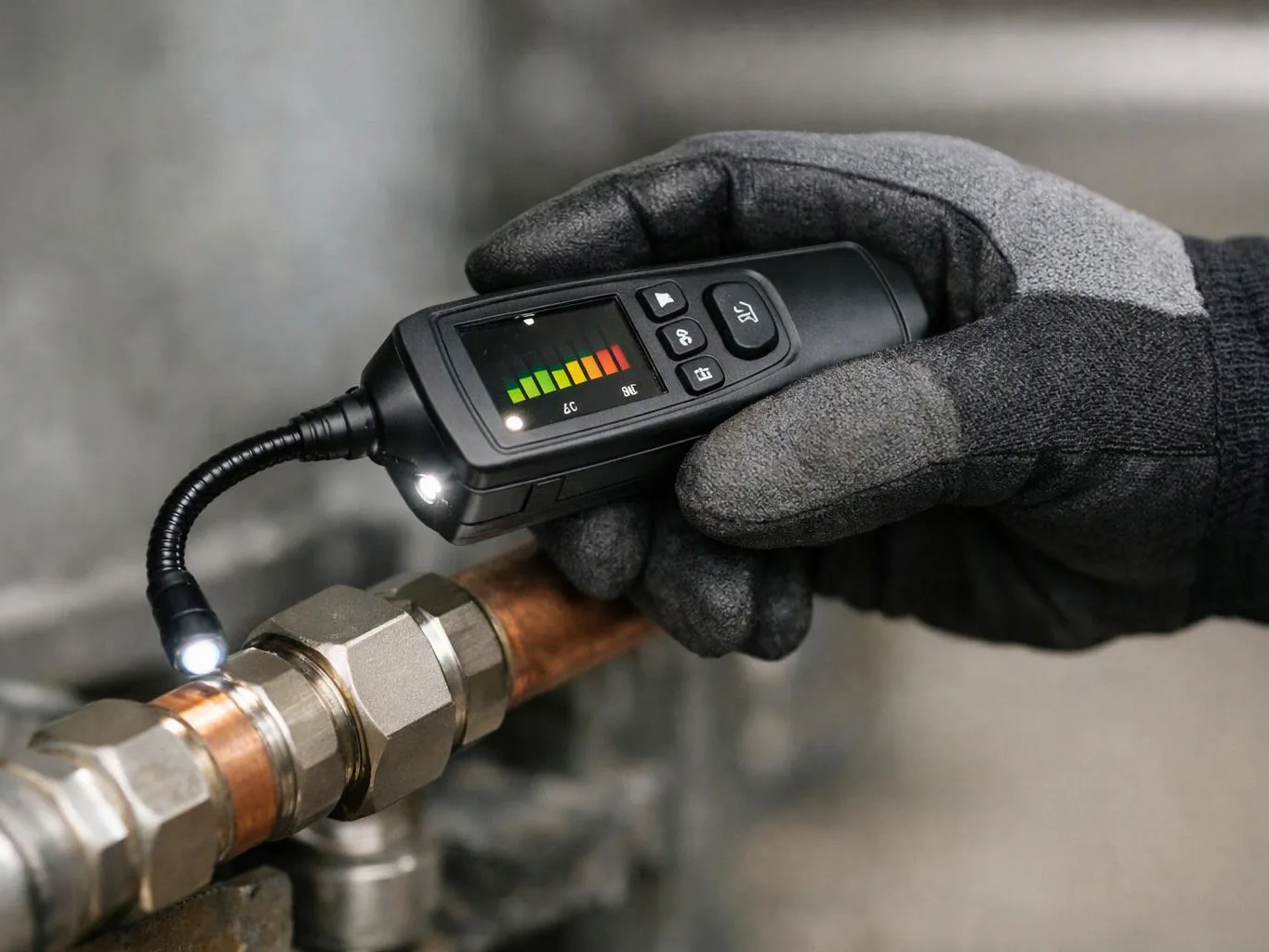
Leak detection checks the water system and traces the suspected leak location with targeted methods. Our team uses the findings to explain the repair path and connect readers with slab leak repair information.
We may use pressure testing to check how the water lines hold pressure. We also use acoustic detection to listen for sounds linked to escaping water.
Our team evaluates hot water piping and cold water piping separately. We then relate the results to the concrete slab, flooring, and nearby foundation areas.
The goal is a clear leak location and a repair plan that fits the plumbing system. Licensed plumbing work should handle work that affects buried piping, concrete, or water damage.
DIY Checks vs. Calling Us for a Slab Leak
Homeowner observation can identify warning signs, but leak detection requires plumbing equipment and trained interpretation. The comparison below shows where safe observation ends and our work begins.
| Factor | What you can do yourself | What we do |
|---|---|---|
| Homeowner observation | Note warm spots, damp flooring, sounds, cracks, and changes in water use. | We compare the symptoms and look for a pattern that points to the plumbing system. |
| Water shutoff | Use the accessible water shutoff if water damage is active and you can do so safely. | We assess the system after flow is controlled and help protect nearby areas. |
| Leak detection | Watch the water meter when fixtures are off and record what you notice. | We use pressure testing and acoustic detection to trace the leak location. |
| Slab leak repair | Avoid breaking concrete or changing buried plumbing yourself. | We explain the repair path after confirming the source and affected line. |
| Plumbing inspection | Keep notes and photos of new moisture or flooring changes. | We inspect the relevant plumbing and identify conditions that need licensed work. |
Safe observations help us understand when the symptoms began. Work beneath concrete or on pressurized plumbing should be handled by our licensed team.
What Should You Do When You Notice Slab Leak Signs?
When you notice slab leak signs, protect the area, limit water use, and arrange leak detection. Quick action can reduce further water damage.
We can explain what the findings mean and what the repair path involves. The best next step depends on the affected line, leak location, and level of water damage.
Questions About Slab Leak Signs
Can a slab leak damage the foundation?
Yes, a slab leak can contribute to foundation concerns when water remains beneath or around the concrete. We check the plumbing source and explain when a structural inspection may also be needed.
Will a slab leak go away on its own?
No, a slab leak won't usually stop without addressing the damaged plumbing. Ongoing flow can increase water damage and make the leak location harder to manage.
Can a slab leak cause mold?
Yes, a slab leak can create moisture that supports mold growth near flooring, walls, or other damp materials. We focus on locating the plumbing leak so the water source can be addressed.
Can a slab leak happen under tile flooring?
Yes, a slab leak can occur beneath tile flooring because the plumbing may run below the concrete slab. Warm areas, damp grout, cracks, or loose tile can provide clues, but leak detection confirms the source.
Can a slab leak affect only hot water?
Yes, a slab leak can affect only hot water when the damaged pipe is a hot water line. A warm floor spot and changes in hot water flow can support that possibility, but testing identifies the affected line.