What Shapes a Leak Detection or Slab Leak Repair Quote? Kent, Washington
Leak detection and slab leak repair quotes depend on leak location, access, testing needs, pipe condition, surface restoration, and the selected repair method. At PlumbingKentwa.info, we explain these factors and what our quote includes.
Request an EstimateWhat Shapes a Leak Detection Quote?
Leak detection quotes change with the leak's location, the testing needed, and how difficult the plumbing is to access.
A concealed leak can sit behind drywall, below flooring, or near a water line. Our team reviews visible symptoms and may use diagnostic testing to narrow the search.
Thermal imaging, acoustic testing, or electronic leak detection may fit different conditions. The quote reflects the testing that can locate the water leak without opening unnecessary areas.
Access also matters. Clear access to shutoff valves, crawl spaces, or exposed plumbing can support a more focused inspection.
For a broader overview of our approach, see our Leak Detection service page.
What Shapes a Slab Leak Repair Quote?
Slab leak repair quotes change with the damaged pipe, the route beneath the slab, access work, and repairs needed after plumbing work.
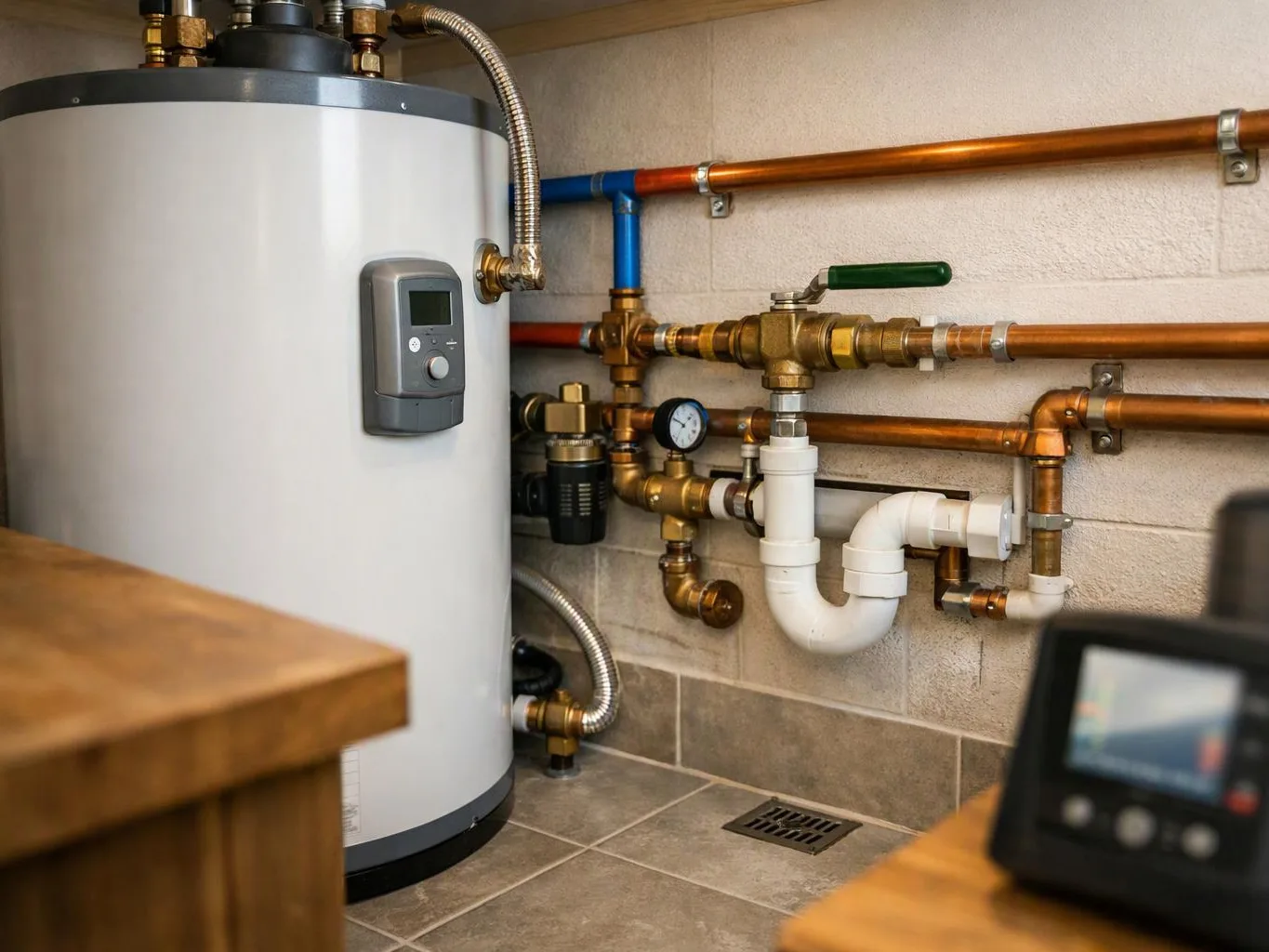
A concrete slab can cover a water line and its pipe connections. Our team considers the pipe condition, leak location, and plumbing layout before choosing a repair method.
Some jobs need focused access near the leak. Others may call for pipe rerouting or water line replacement when the existing route is difficult to repair.
The quote also accounts for concrete removal, pipe exposure, and surface restoration. Flooring repair or drywall repair may be separate parts of the repair scope when nearby finishes are affected.
Leak Detection and Slab Leak Quote Factors at a Glance
Leak detection and slab leak repair quotes separate diagnosis, access, repair, and restoration work. Each factor can change the labor and materials needed for the job.
Our team uses the suspected leak area and property conditions to define the service scope. The table shows what information helps us prepare a clear plumbing quote.
| Factor | Why it changes the cost | What to prepare |
|---|---|---|
| Diagnostic testing | The suspected source may need different testing methods. | Share water pressure changes, damp areas, and water meter observations. |
| Leak location | A hidden or uncertain location can require more tracing. | Mark warm floors, moisture, odors, or other symptoms. |
| Pipe access | Concrete access, flooring removal, or drywall opening can expand the work. | Clear the work area and identify floor coverings or wall finishes. |
| Pipe condition | Damage may support spot repair, rerouting, or pipe replacement. | Provide plumbing history and earlier repair records. |
| Repair method | The selected method affects access, materials, and labor. | Share floor plans and any limits on access. |
| Surface restoration | Concrete, flooring, or drywall may need repair after plumbing work. | Note the finishes that must be protected or restored. |
How Repair Access Changes the Work
Repair access changes the work because our team must reach the pipe safely and protect nearby surfaces.
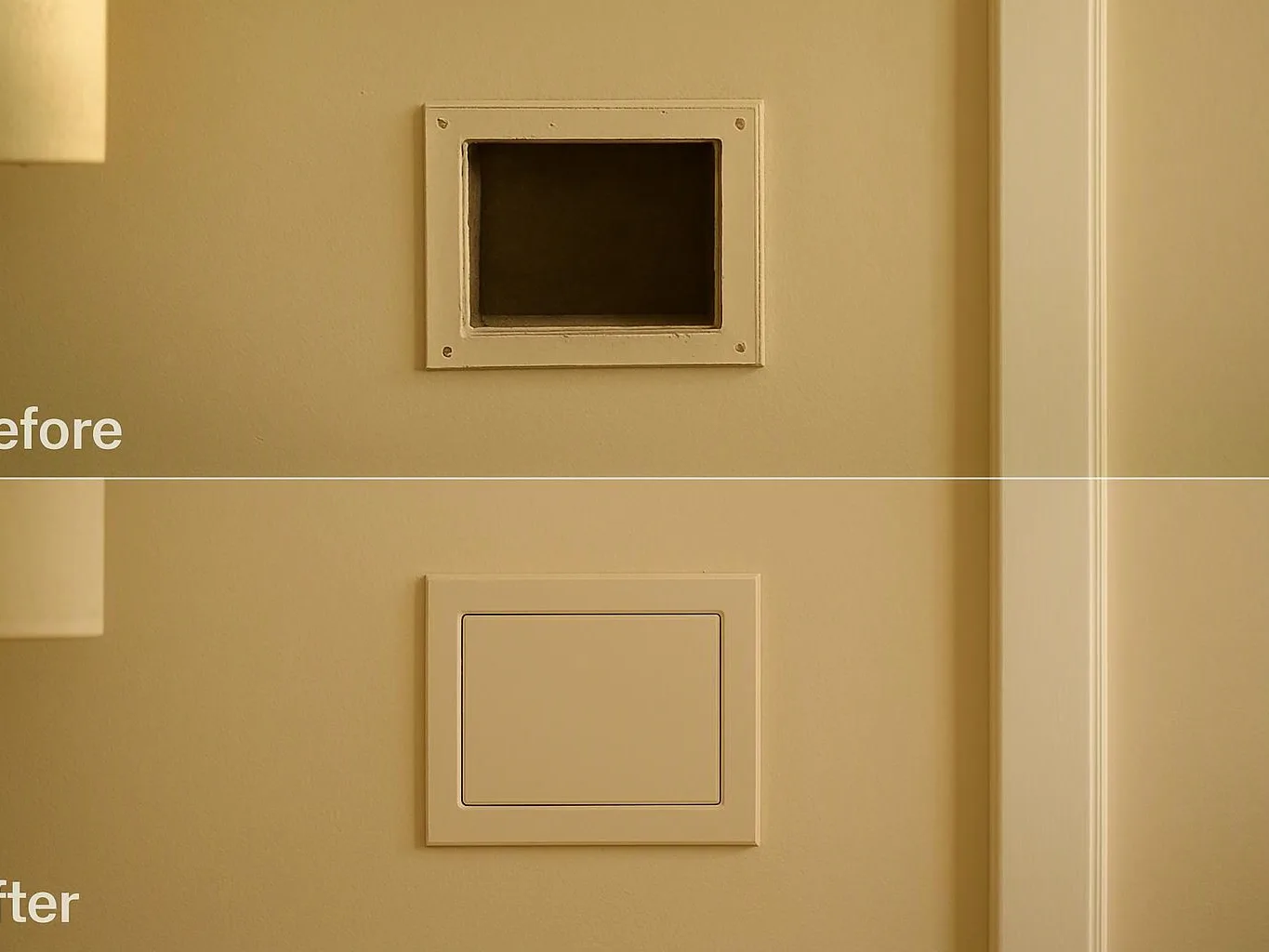
Concrete access may require careful removal around the suspected leak. Flooring can also affect how our crew reaches the pipe and how the area is restored.
A crawl space may provide a different path to exposed plumbing. Drywall access may be needed when the concealed leak is inside a wall.
Our quote identifies access requirements and related surface restoration. This helps separate plumbing work from flooring repair or drywall repair.
Which Repair Method Fits the Leak?
The repair method depends on the leak's location, pipe condition, access limits, and the most practical route for restoring water service.
A spot repair may fit a focused area with sound pipe around the damaged section. Pipe rerouting may fit a route that is hard to reach or likely to cause repeated access work.
Under-slab repair may be considered when direct access is the clearest option. Water line repair or pipe replacement may fit broader damage or poor pipe condition.
Our team reviews the plumbing layout before recommending a method. We explain why the selected approach fits the leak and what restoration it requires.
What Our Leak Detection and Slab Leak Quote Includes
Our quote scope explains the suspected leak area, planned repair, access needs, materials, labor, and related restoration work.

We describe the diagnosis and the evidence that supports the proposed repair plan. We also identify whether the work involves concrete access, pipe exposure, or another access need.
The quote separates plumbing labor and materials from surface restoration where those tasks differ. That gives you a clearer view of the full service scope.
We can review the repair method with you before work begins. If site conditions change the plan, our team explains the change before proceeding.
How to Prepare for an Accurate Quote
Accurate quote preparation starts with clear details about symptoms, access, and plumbing history. The information below helps our team plan diagnostic testing and repair access.
Photos can help show surface conditions before access work begins. Our team still confirms the leak location and repair scope during the inspection.
Five Ways to Avoid Unnecessary Leak Repair Costs
Early planning can limit avoidable access work and prevent a small leak from causing wider water damage. These steps help keep the repair scope focused.
Quick action can also help limit water damage. Our team can explain the next safe step when a concealed leak is suspected.
Questions to Ask Before Slab Leak Repair Begins
Before slab leak repair begins, ask how our team identified the source and why the proposed repair fits the property.
These questions help you understand the repair plan before access work starts. Our team can explain the answer in plain language and identify each part of the quote.
When Should You Request Leak Detection?
Request leak detection when unexplained moisture, changing water use, or plumbing symptoms suggest a concealed leak.
Unexplained water use can point to a hidden water leak. Damp flooring, a warm floor, or a water pressure change can also support an inspection.
Mold odor and foundation moisture may signal water movement near building surfaces. These signs don't identify the source by themselves, so our team uses diagnostic testing to trace the leak.
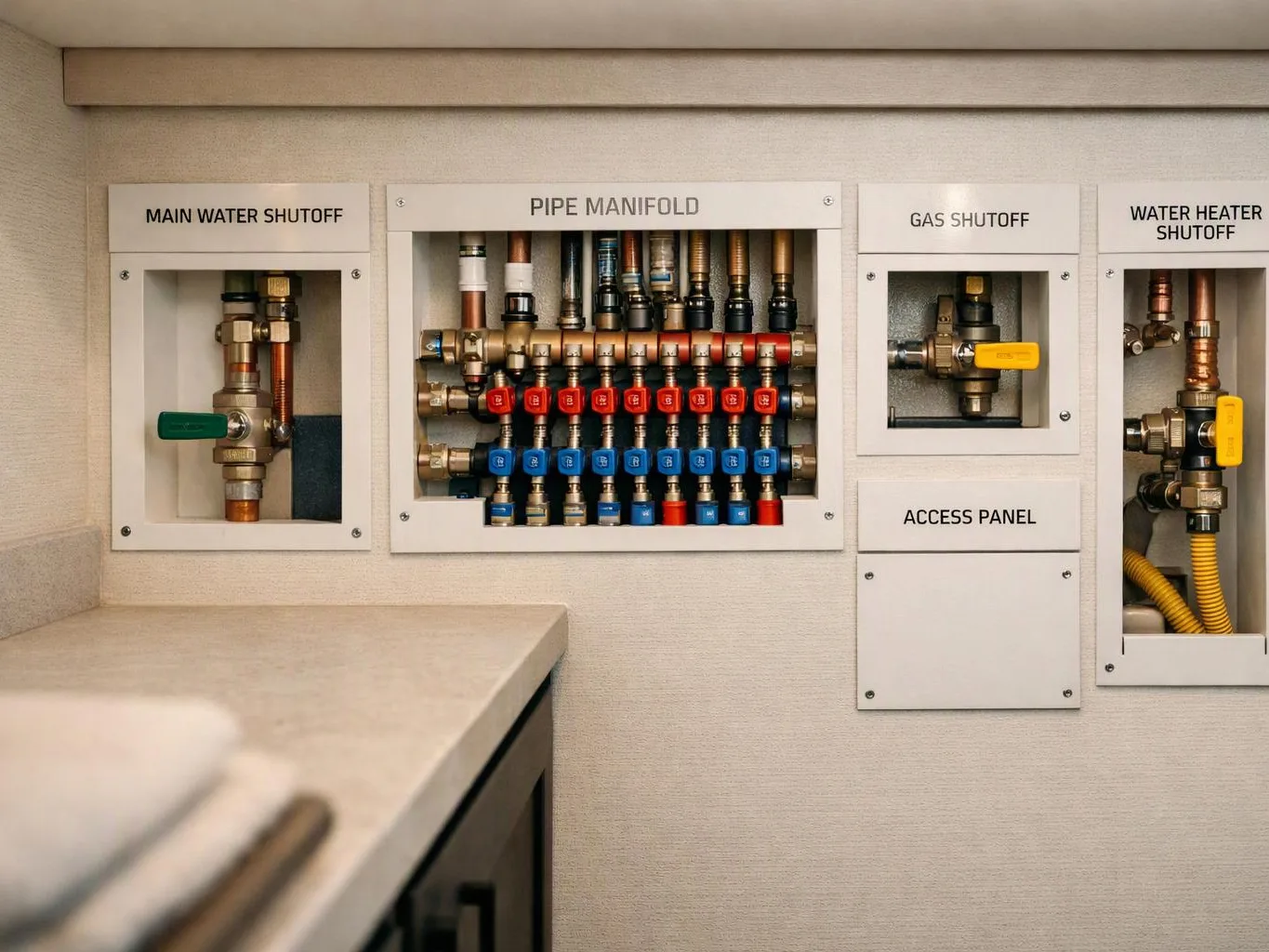
If you suspect an active leak, use the shutoff valve when it is safe to do so and contact our team. Regulated plumbing work and leak testing should be handled by licensed plumbing professionals.
How to Request an Exact Quote in Kent, Washington
Contact our team with the symptoms, suspected location, and property details so we can assess the work and prepare an exact quote.
Include details about water usage changes, visible moisture, access limits, and earlier plumbing work. Those details help us plan leak detection, slab leak repair, and the required service scope.
We explain the diagnosis, repair plan, labor and materials, access work, and surface restoration in our quote. Use our quote request form to send the property details.
Our team can also answer questions about concrete removal, pipe replacement, floor restoration, and warranty terms before work begins.
Questions About Leak Detection and Slab Leak Quotes
Can a slab leak be repaired without removing all the flooring?
Yes, a slab leak can sometimes be repaired without removing all the flooring when the leak location and access path support focused work. Our team checks the pipe route, surface condition, and repair method before deciding what access is needed.
Why does finding the leak location matter before repair?
Finding the leak location matters because the location guides diagnostic testing, access work, and the repair method. A clear location helps our team limit unnecessary concrete removal and define the restoration scope.
Should I turn off the water before requesting leak detection?
Yes, turn off the water when an active leak is causing damage and the shutoff valve is safe to reach. Contact our team for leak detection so we can assess the source and repair needs.
What records should I keep after a slab leak repair?
Keep the repair quote, diagnostic findings, repair plan, materials information, restoration details, and warranty terms after slab leak repair. These records can help with future plumbing maintenance and questions about the repaired water line.