What should I do before help arrives for a leaking water heater for Emergency Plumbing?
A leaking water heater needs water isolation and electrical caution before help arrives. Close the supply valve from a dry area if it is safe, and keep away from wet outlets, cords, or panels. Place a container under a controlled drip only when there is no electrical risk. Don't remove covers or touch wiring.
How do I know which shutoff valve controls the leak?
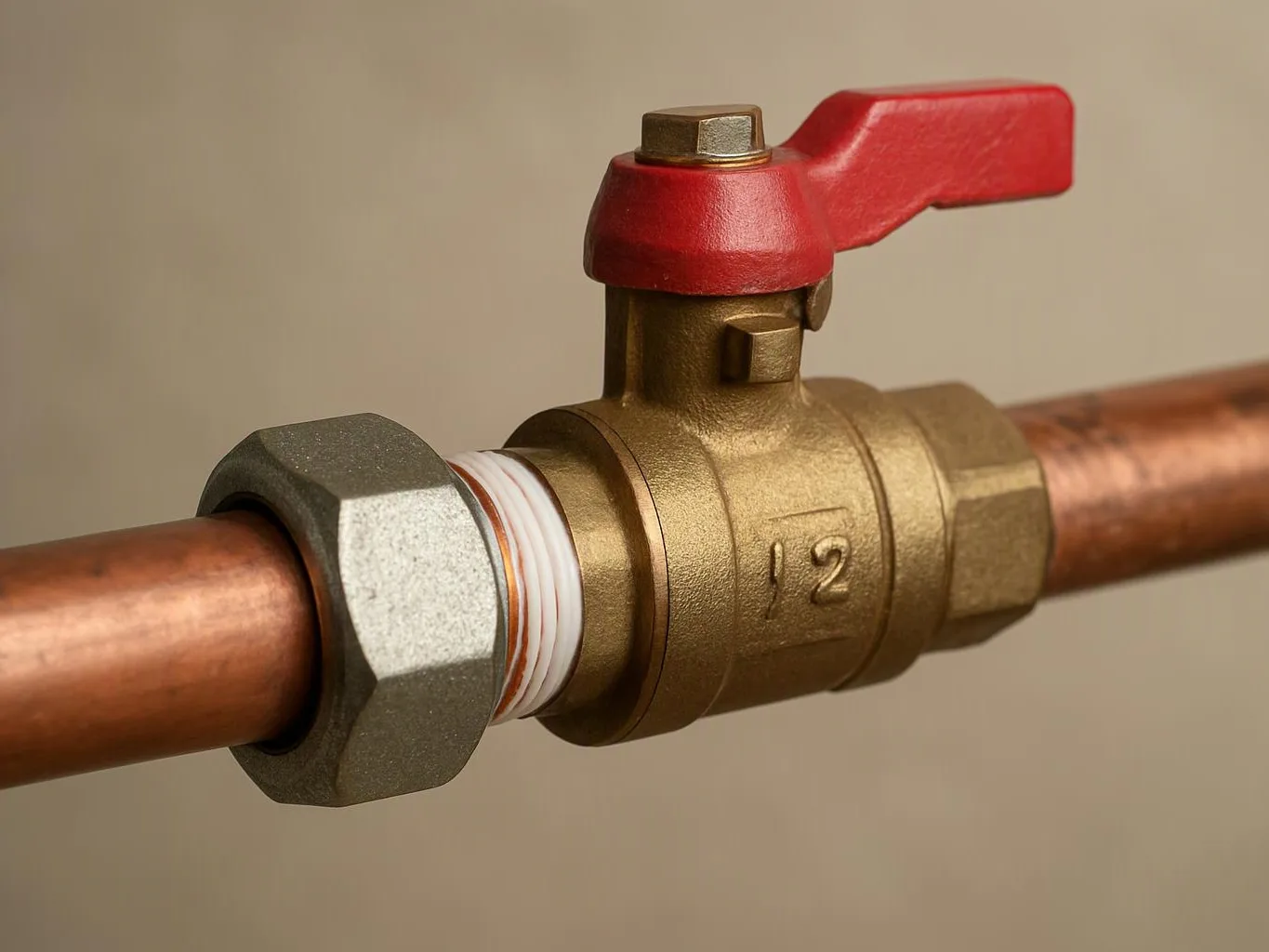
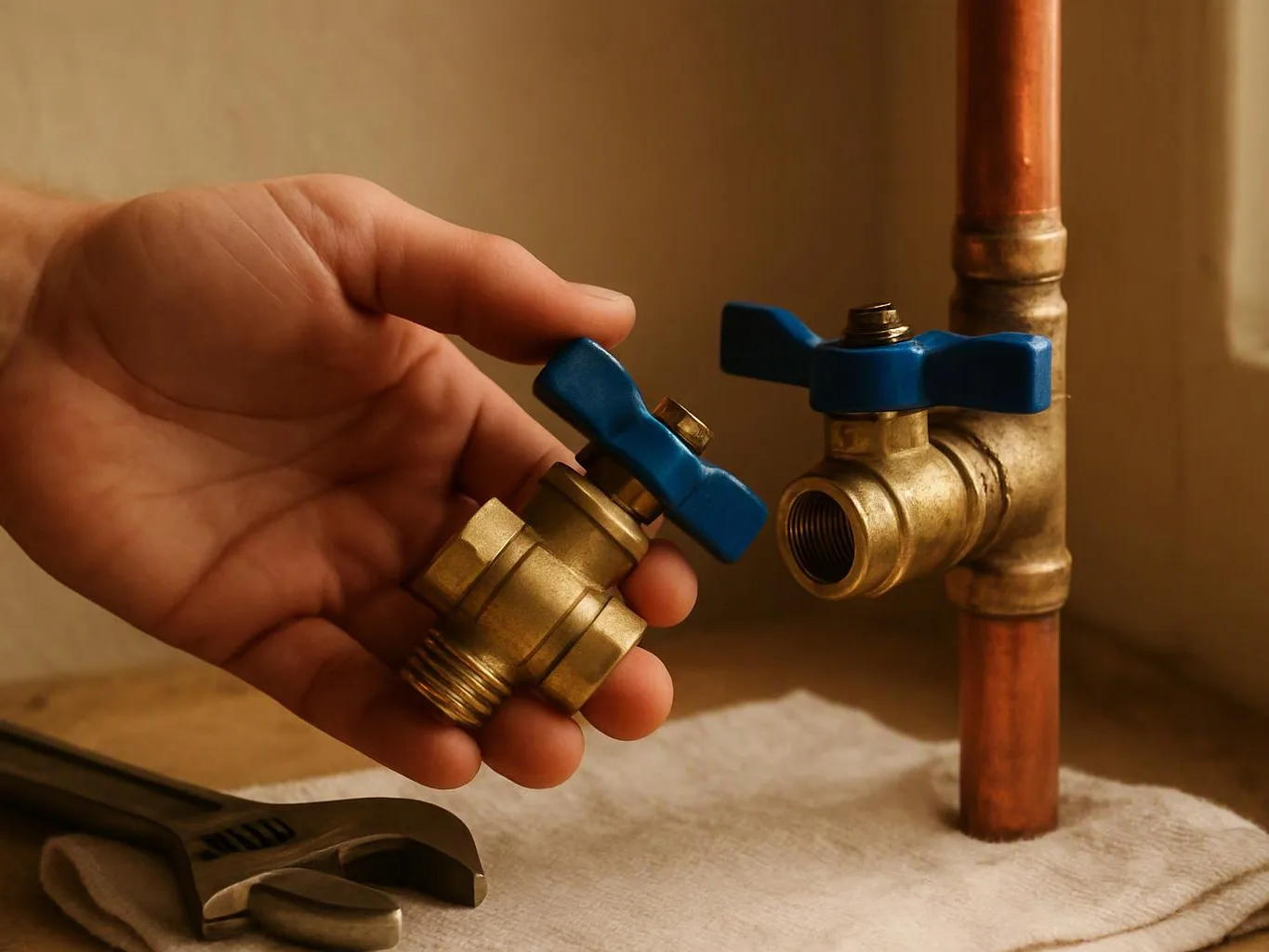
The correct shutoff is the valve on the affected fixture, appliance, or branch supply. Turn it gently from a dry position and check whether the water flow stops. If the valve is stuck, hidden, or near electrical hazards, use the main shutoff only if safe. Share the valve location during the service request.
Which property areas change the repair scope?
The affected pipe location, access, material, and nearby finishes change the repair scope. A leak inside a cabinet differs from one behind a wall, under a slab, or above a ceiling. We check the visible connection and water path before deciding whether the work needs a spot repair, opened access, or deeper leak detection.
Why should I avoid using drains during a sewage backup?
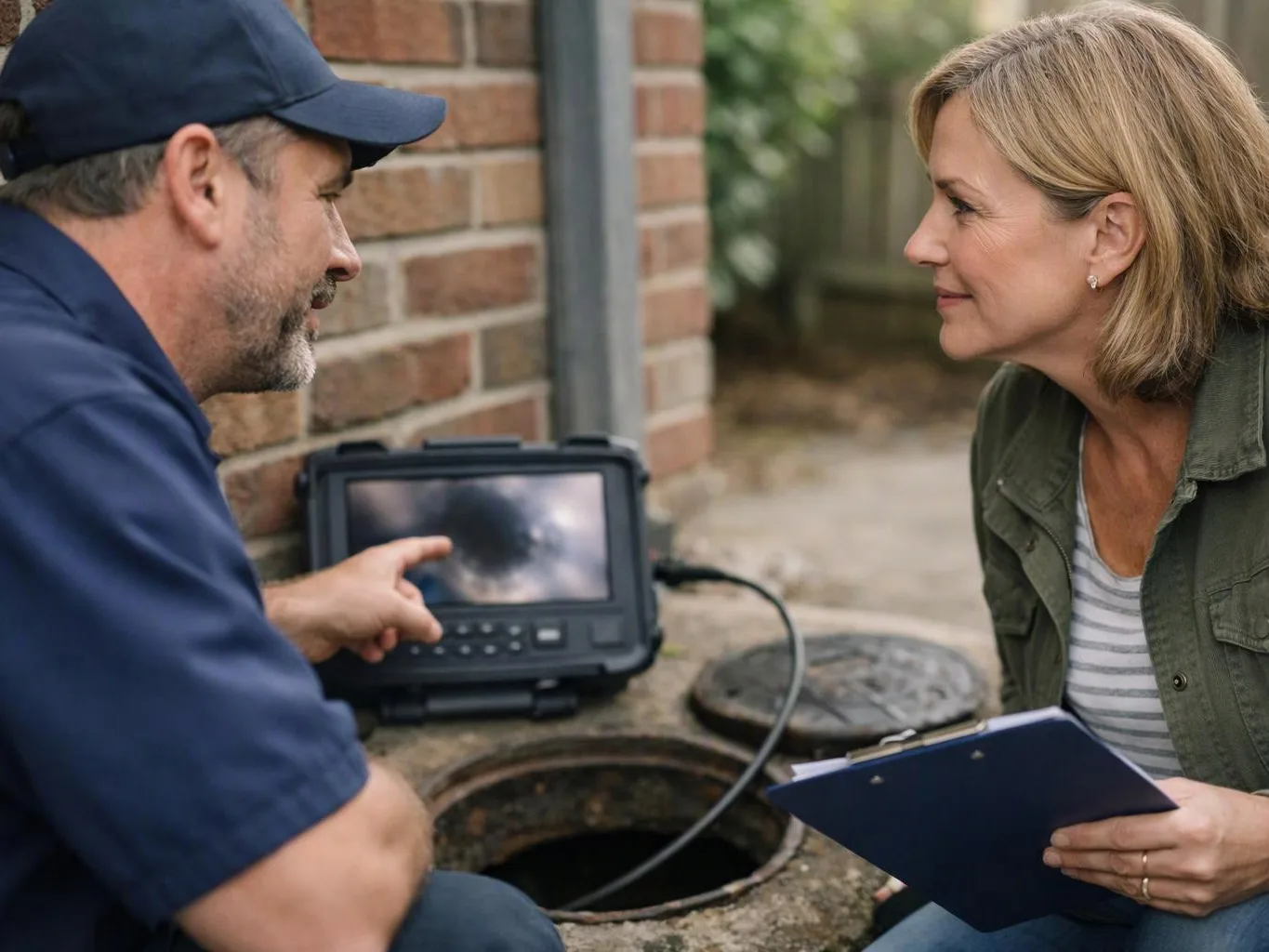
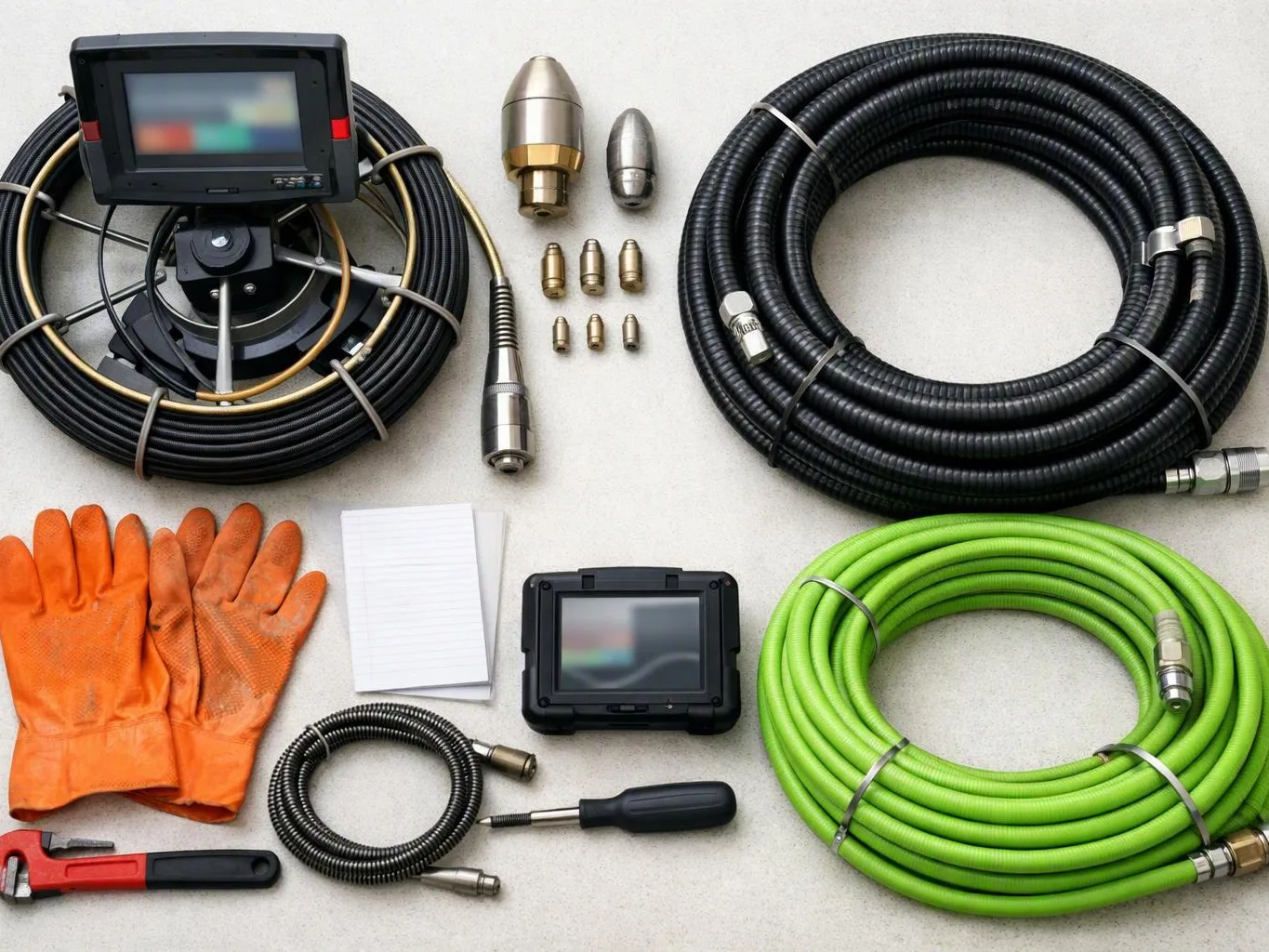
A sewage backup can spread when connected fixtures continue sending water into the blocked line. Stop using nearby sinks, toilets, showers, and appliances until the blockage is assessed. Keep drain covers in place and avoid contact with wastewater. Main line snaking or sewer line assistance may be needed when several fixtures are affected.
When is a clogged sink an urgent plumbing problem?
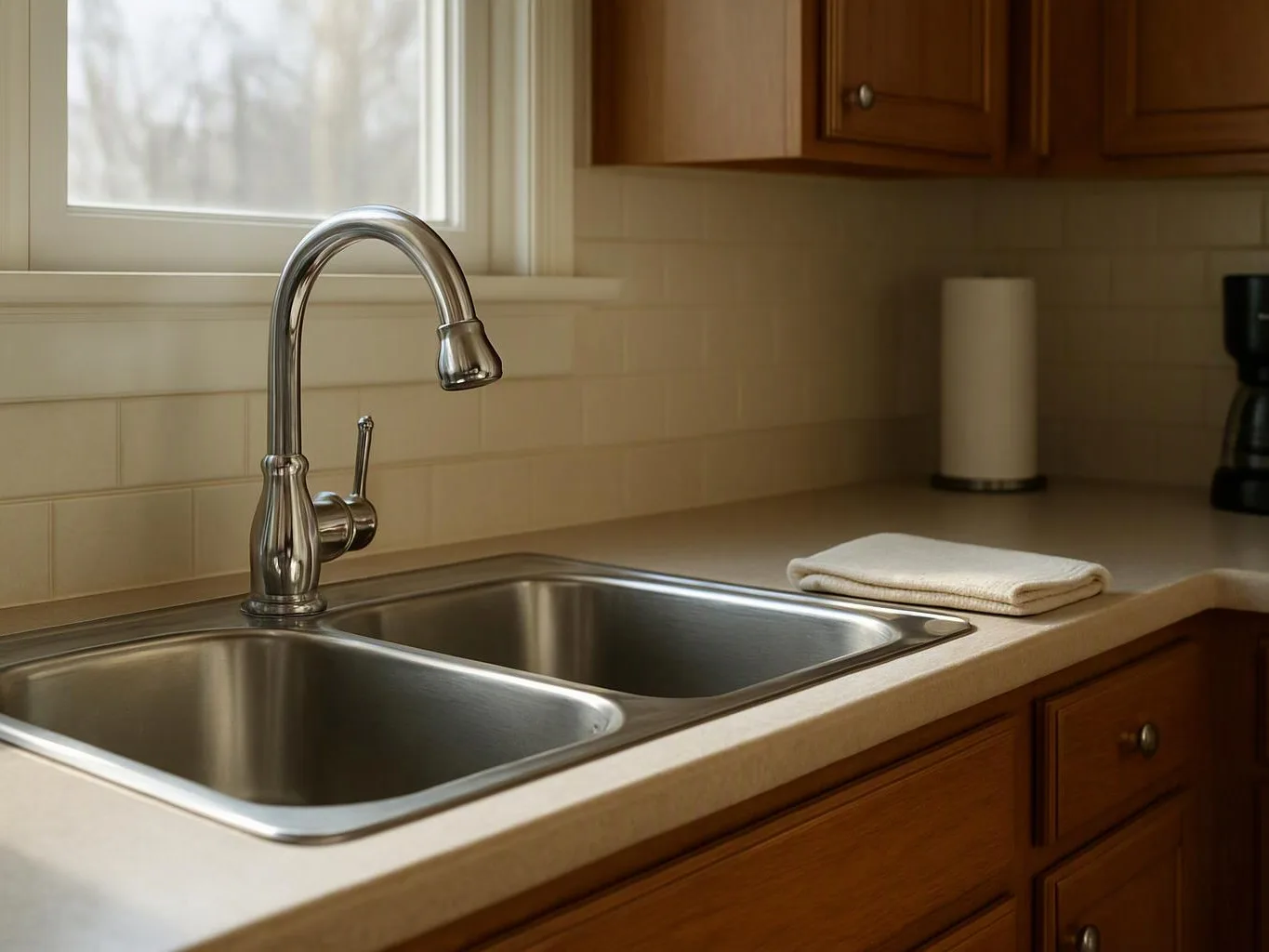
A clogged sink becomes urgent when water overflows, affects electrical equipment, spreads into cabinets, or connects with a wider backup. Stop using the fixture and protect nearby items from water. A single slow drain may need drain cleaning, while several blocked fixtures can point to a main line problem.
What should property managers share before requesting an assessment?
Property managers should share the address, property type, access limits, visible symptoms, and known shutoff locations. Photos can help show the leak path, damaged surfaces, or affected fixture when they can be taken safely. Access details matter for occupied homes, rental properties, offices, and commercial spaces.
How does the first repair step affect the final cost?
The first repair step affects cost through access, isolation, damaged parts, and the amount of pipe or drain work involved. A reachable valve or fitting may keep the scope focused, while hidden leaks and main line blockages need more inspection. We explain the work needed and provide a quote based on the actual property conditions.