Water Heater Repair vs. Replacement: What to Weigh Before Hiring
Water heater repair makes sense when the tank or system remains safe and the fault is limited. Replacement fits when damage, repeated faults, safety concerns, or installation needs make a new unit the better long-term choice. At PlumbingKentwa.info, we check the system, explain the trade-offs, and prepare a quote based on the work required.
Request an EstimateRepair or Replacement: Which Option Fits the Problem?
Water heater repair suits a safe unit with a limited fault, while replacement suits a damaged, unsafe, repeatedly failing, or unsuitable unit. The right choice depends on system condition, safety, hot water demand, and installation requirements.
We compare the likely work, future reliability, energy use, and maintenance needs before making a recommendation.
| Factor | Water Heater Repair | Water Heater Replacement | Best Fit |
|---|---|---|---|
| Cost direction | Usually lower when the fault is limited | Usually higher because it includes a new unit and installation | The option that fits the system condition |
| Timeline | Focused on locating and correcting one fault | Includes selection, removal, and installation work | The option that restores safe service |
| Maintenance | The existing system still needs upkeep | The new system needs maintenance suited to its design | Homes with manageable upkeep needs |
| Best for | A safe unit with a clear, limited fault | A damaged, unsafe, or unsuitable unit | The home's current hot water demand |
Quick Picks
When Water Heater Repair Makes Sense
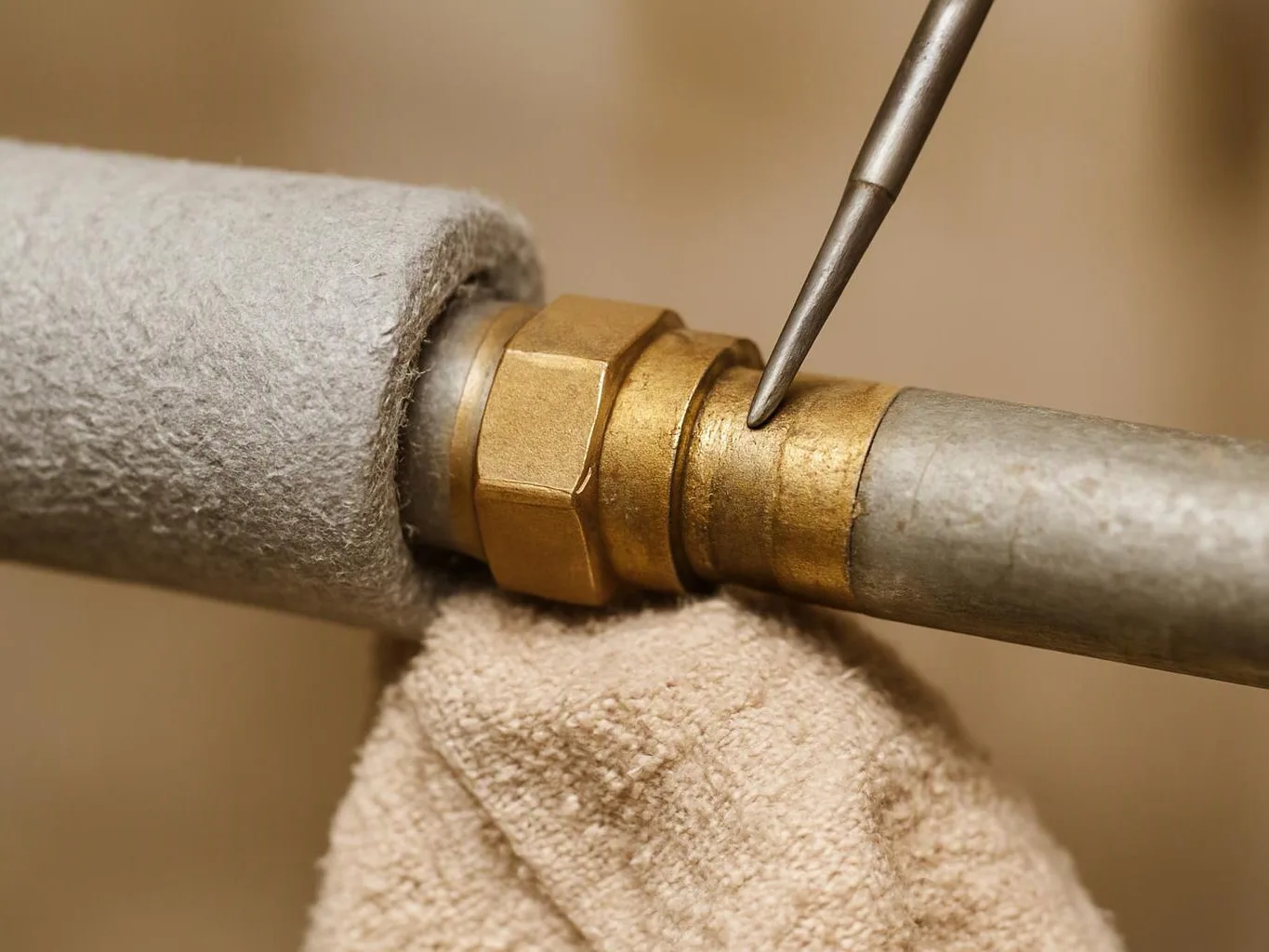
Water heater repair makes sense when our inspection finds a specific fault and the unit remains safe to operate. We can explain the repair scope and connect you with our water heater repair service when repair is suitable.
A limited repair may restore reliable hot water without changing the whole installation.
When Water Heater Replacement Makes Sense
Water heater replacement makes sense when the unit has major damage, recurring failures, unsafe conditions, or no longer meets household needs. Replacement can also address energy efficiency, capacity, and code compliance concerns.
We review the existing installation before selecting a tank water heater or tankless water heater.
What Changes the Cost of the Decision?
Water heater cost depends on the fault or replacement unit, connection changes, access, safety work, and required installation details. We review the repair scope before preparing an exact quote.
For replacement work, the unit type, tank size, fuel type, and energy source all matter. Venting, water connections, electrical work, and gas piping can change the installation scope.
Other quote details may include a drain pan, removal, disposal, and permit and inspection requirements. Access and space can also affect the work needed.
What Should a Water Heater Installation Quote Include?
A water heater installation quote should identify the unit, labor, materials, connection work, safety items, removal, disposal, and any permit or inspection work. Clear details help you understand what the installation covers.
Our quote should identify the unit type, model and capacity, plus any changes to venting and connections. It should also show safety controls, removal, disposal, and required inspection work.
Ask us to explain any work involving gas piping, electrical connections, water connections, or installation space. That discussion helps align the new water heater with your home's needs.
How We Check a Water Heater Before Recommending Work
PlumbingKentwa.info checks the leak source, heating components, safety controls, connections, venting, and installation conditions before recommending repair or replacement. Our team uses the inspection to separate a limited fault from a system-wide problem.
We also consider household use and whether the current setup can support safe, reliable operation.
How to Prepare for a Water Heater Repair or Replacement Quote
Service history, water heater symptoms, and household hot water demand help us prepare a useful quote. Tell our team when the problem began and whether the unit has had prior repairs.
Share the fuel type, available space, and access conditions before the visit. Mention any water damage and explain your installation goals, such as improved capacity or energy efficiency.
Photos can help show the unit and nearby connections, but our team still needs an on-site safety inspection before final recommendations.
Choose the Safer Long-Term Water Heater Plan
The safer long-term plan is the option that corrects the problem, fits the home's needs, and leaves the water heater properly installed. Repair supports reliability when the system remains sound, while replacement supports safety when damage or recurring problems continue.
We consider energy use, maintenance, capacity, and installation requirements before recommending water heater repair or water heater replacement.
Choose a plan with clear scope, suitable safety controls, and water heater installation that matches the system.
Questions About Water Heater Repair or Replacement
Can a leaking water heater be repaired?
Yes, a leaking water heater can be repaired when the leak comes from a replaceable component or connection and the tank remains sound. A leaking or corroded tank may require replacement.
What signs show that a water heater may be unsafe?
Warning signs include gas odors, damaged venting, electrical problems, uncontrolled temperature, pressure relief valve issues, and water near the unit. Our team should inspect unsafe conditions before the system continues operating.
Does water heater age affect the repair or replacement decision?
Yes, water heater age affects the replacement decision because an older unit may have more corrosion, recurring problems, and lower energy efficiency. We still base the recommendation on the unit's condition and repair scope.
Can a replacement water heater use the home's existing connections?
A replacement water heater may use some existing connections, but the answer depends on the unit type, fuel type, venting, safety controls, and code compliance. We check each connection before confirming the installation scope.
What information should I provide before requesting a water heater quote?
Provide the water heater symptoms, service history, fuel type, household hot water demand, available space, access conditions, water damage, and installation goals. These details help our team plan the inspection and quote.
Request a quote when you want our team to review the system condition and explain the repair or replacement path.