Frozen or Burst Pipes: Warning Signs and When to Call for Repair
Frozen pipe symptoms often include weak water flow, frost on exposed piping, and unusual pipe sounds. Burst pipe symptoms include sudden leaks, damp walls, ceiling stains, or rushing water, and we can assess the damage and repair the pipe. At PlumbingKentwa.info, we separate restricted flow from active leaks so we can recommend the safest next step.
Request an EstimateWhat Are the Warning Signs of a Frozen or Burst Pipe?
Frozen or burst pipe symptoms include weak water flow, no water from a fixture, frost on exposed piping, unusual sounds, damp surfaces, visible leaks, and sudden water damage.
These signs can point to a blocked water supply or a pipe leak. A quick response can help limit damage while our team checks the plumbing problem.
How Can You Tell Whether a Pipe Is Frozen or Burst?
A frozen pipe often restricts water flow, while a burst pipe usually causes leaking, water damage, or a loss of pressure after the ice gives way.
A frozen pipe may leave a faucet with weak flow or no water. The supply may still be intact, but frozen water blocks movement through the line.
A burst pipe can release water behind a wall, below a floor, or above a ceiling. Water pressure may drop quickly, and a hidden pipe leak may cause damp drywall before water becomes visible.
Do not rely on thawing alone to solve the problem. Our team can inspect the water supply and check whether a cracked pipe needs frozen pipe repair or burst pipe repair. You can also review our Frozen Pipe Repair service for help with restricted water flow.
What Causes Pipes to Freeze or Burst?
Freezing temperature and trapped water create the main risk, but pipe condition and building exposure also matter. Our inspection looks at both the immediate failure and the cause behind it.
How Can You Prevent Frozen and Burst Pipes?
Winter preparation reduces exposure to cold air and helps protect the water supply. Prevention also gives our team fewer hidden conditions to correct during an inspection.
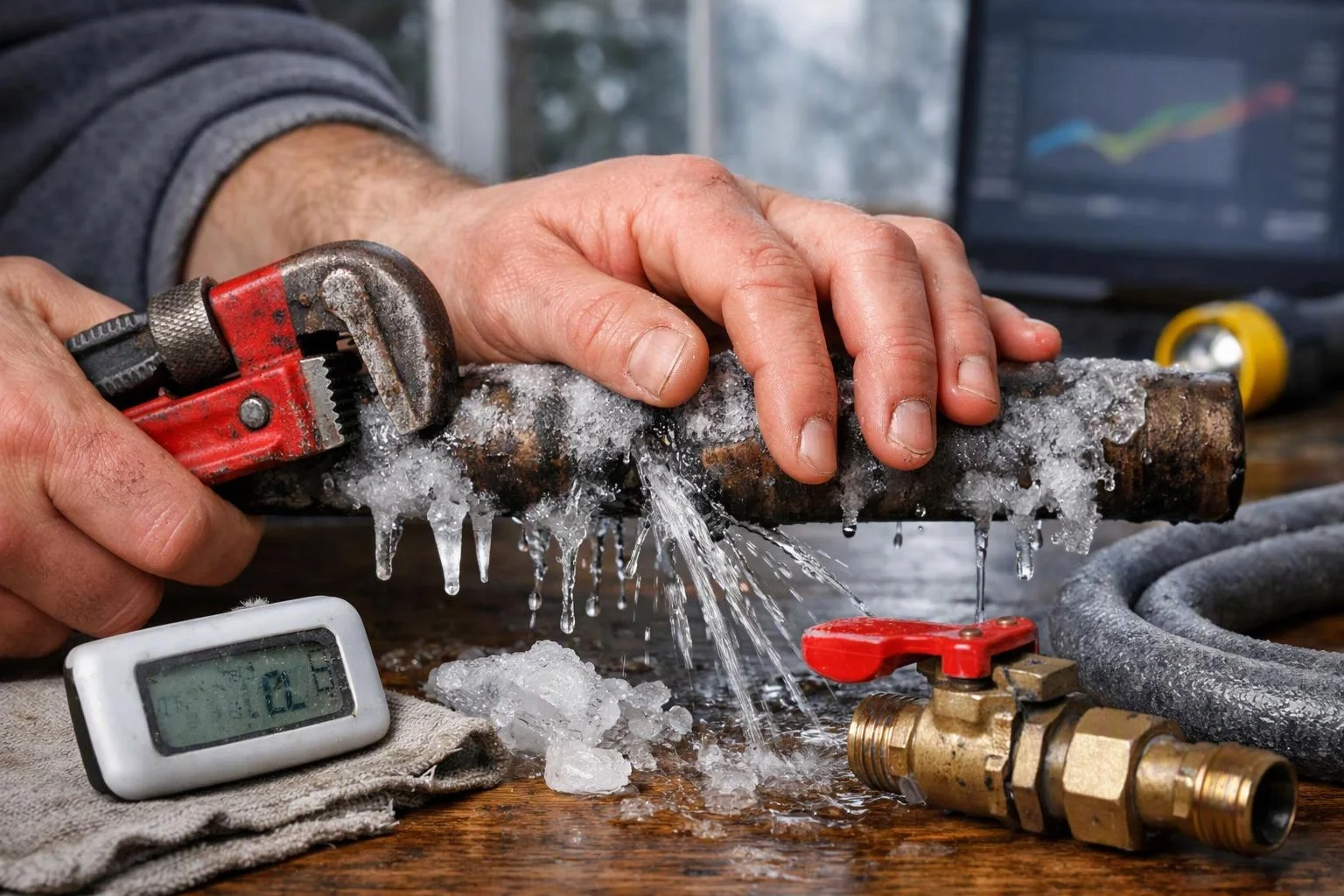
These steps can lower risk, but they cannot repair corrosion or a cracked pipe. Our team can inspect vulnerable lines and recommend practical protection.
What Should You Do If a Pipe Bursts?
If a pipe bursts, shut off the main water supply if you can do so safely, protect nearby belongings, avoid electrical hazards, and call us for repair.
Do not enter unsafe areas to reach a valve or inspect a ceiling. Our crew can locate the leak, control the water supply, and assess the damage before pipe replacement.
When Should You Call for Frozen Pipe Repair?
Call us when a fixture loses water flow, a pipe shows frost or damage, or thawing may release water into the building.
Low water pressure and no water from a faucet can mean a frozen pipe is blocking the line. Visible frost may confirm freezing, but the damaged area can remain hidden.
Call promptly when you suspect a cracked pipe or hidden leak. Pipe thawing can restore flow while also releasing water through a split section.
Our team can determine whether you need frozen pipe repair, burst pipe repair, or a broader water damage assessment.
How We Check and Repair Frozen or Burst Pipes
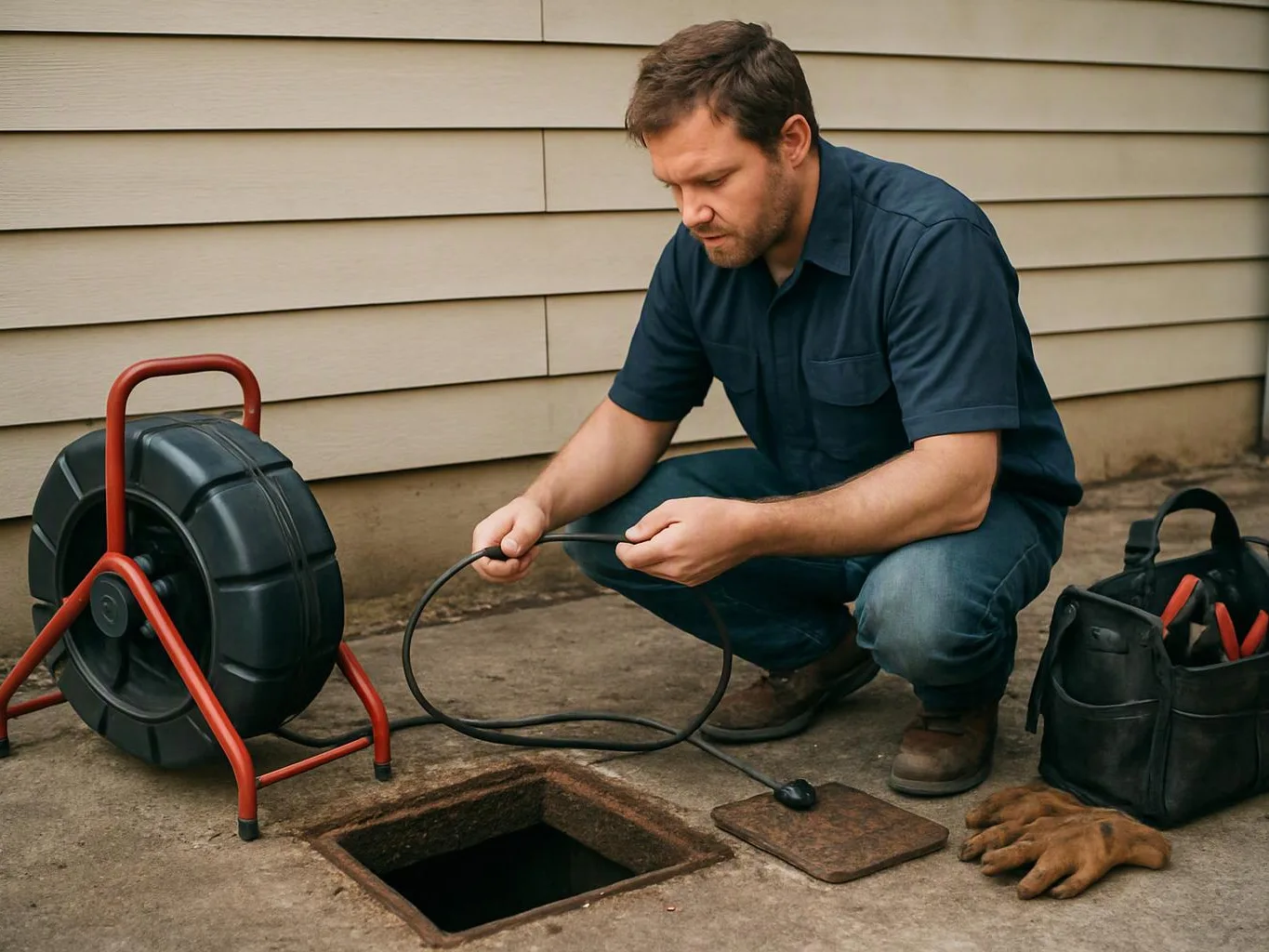
Our pipe inspection starts with the water shutoff, visible plumbing, and the symptoms you report. We then use leak detection methods suited to the suspected pipe location.
For a frozen line, we identify the blocked section and check for damage before restoring the water supply. For a burst line, we control the leak, assess nearby water damage, and determine whether repair or pipe replacement is appropriate.
Our team explains the repair scope before work begins. The cost depends on the pipe location, access, damage, materials, and related water damage, so contact us for an exact quote.