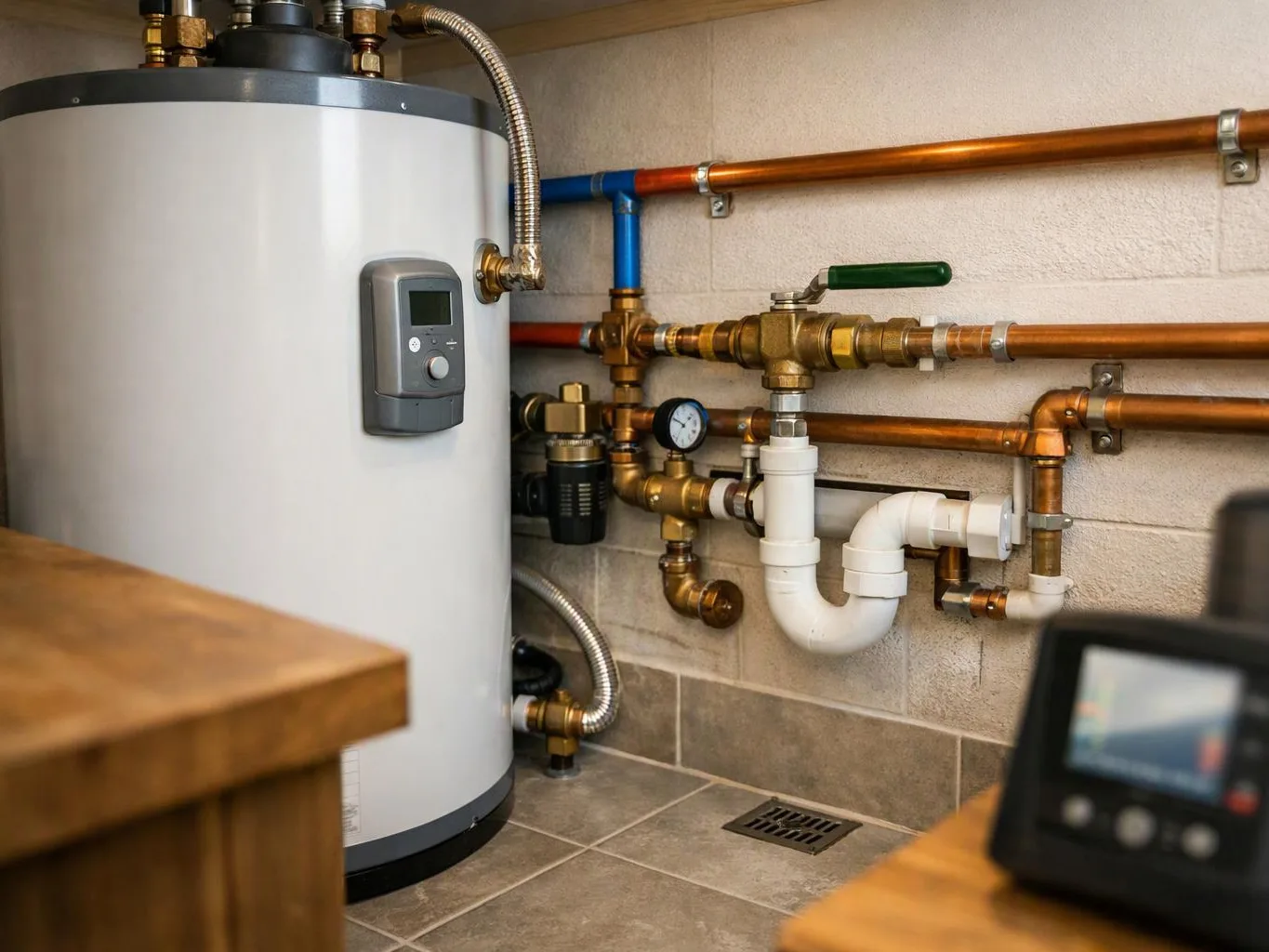
Preparing for a Backflow Testing or Preventer Installation Quote in Kent, Washington
A backflow testing and backflow preventer installation quote depends on the device type, site access, pipe connection, testing needs, and installation conditions. PlumbingKentwa.info uses the details you provide to explain the work and prepare an exact quote.
Request an EstimateWhat a Backflow Testing and Preventer Installation Quote Covers
Backflow testing and backflow preventer installation quotes explain the inspection, equipment, labor, access, and follow-up work needed for the property.
Our team reviews the water supply system and the existing backflow preventer. We also consider the cross-connection, pipe connection, shutoff valve, test ports, drainage, and inspection access.
Our Backflow Testing service can focus on an existing device, while a plumbing quote for installation can include replacement or new equipment. The quote scope should show which work is included and which site conditions may change the plan.
What Changes the Cost of Backflow Testing and Preventer Installation?
The work changes in scope when the device, piping, access, or testing requirements differ. We use these factors to explain the work and prepare an exact quote.
| Factor | Why it changes the cost | What to prepare |
|---|---|---|
| Backflow preventer type | Different devices have different testing points, parts, and service needs. | Device name, markings, photos, and prior test results. |
| Pipe size | The pipe connection affects equipment selection, fittings, and installation work. | Water service details and visible pipe measurements. |
| Device condition | Leaks, corrosion, damaged checks, or failed parts can add repair or replacement work. | Leak notes, visible damage, and recent test reports. |
| Installation location | Tight, concealed, elevated, or outdoor locations can require more preparation and access work. | Location photos and a clear description of the surrounding space. |
| Access requirements | Limited device access can affect inspection, testing, removal, and installation. | Entry instructions, clearance notes, and obstructions near the device. |
| Shutoff valves and drainage | Working shutoff valves and suitable drainage help determine the testing and installation approach. | Valve locations, drainage conditions, and any known operating issues. |
| Testing requirements | Required test points, test kit access, documentation, and follow-up affect the quote scope. | Prior records, requested testing, and any property requirements. |
Backflow Testing and Installation Factors to Prepare
An existing backflow preventer gives our team a starting point for the project review. We check the water service connection, plumbing layout, device condition, and inspection access.
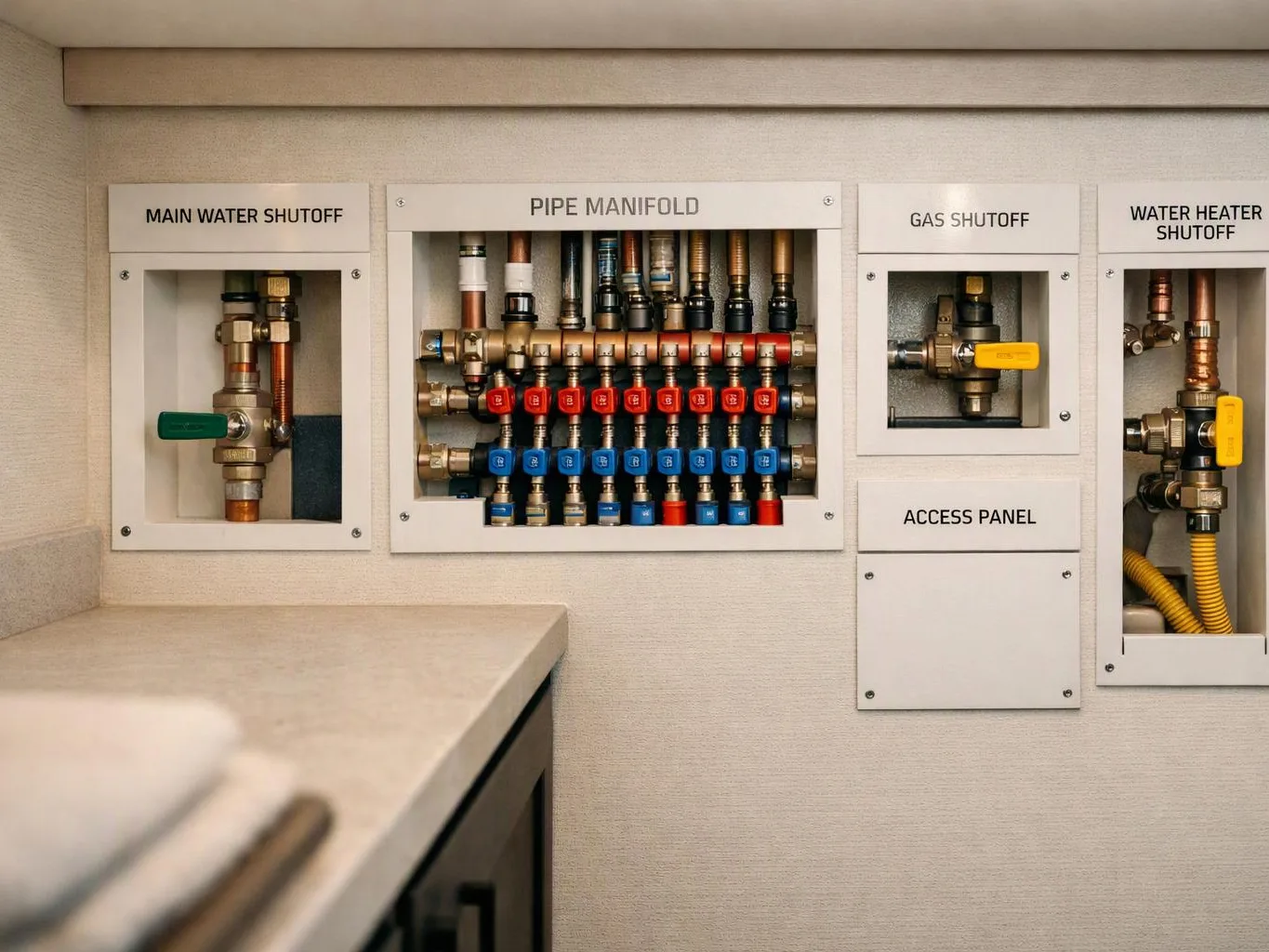
Clear photos help us see the pipe connection, shutoff valves, test ports, relief valve, and nearby drainage. Plumbing drawings can also help when the device is concealed or connected to a larger water system.
Backflow Testing Versus Backflow Preventer Installation
A backflow test checks whether an existing preventer operates correctly, while installation adds or replaces equipment in the water system.
A backflow test uses test ports and a test kit to evaluate the device. Our team records the test results and explains whether the device needs service, replacement parts, or further review.
Backflow preventer installation may involve removing a failed device, fitting a new assembly, checking the shutoff valves, and reviewing the completed pipe connection. New preventer installation can also require a review of the installation location and surrounding access.
How to Prepare for an Accurate Quote
Accurate quote preparation starts with clear property and system information. Send what you have so our team can connect the records with the site conditions.
Our team can use these details to separate known work from conditions that need a site review. That keeps the quote scope easier to understand.
How to Keep the Project Scope Clear
A clear quote scope identifies the work, site conditions, replacement parts, testing documentation, and plumbing access involved.
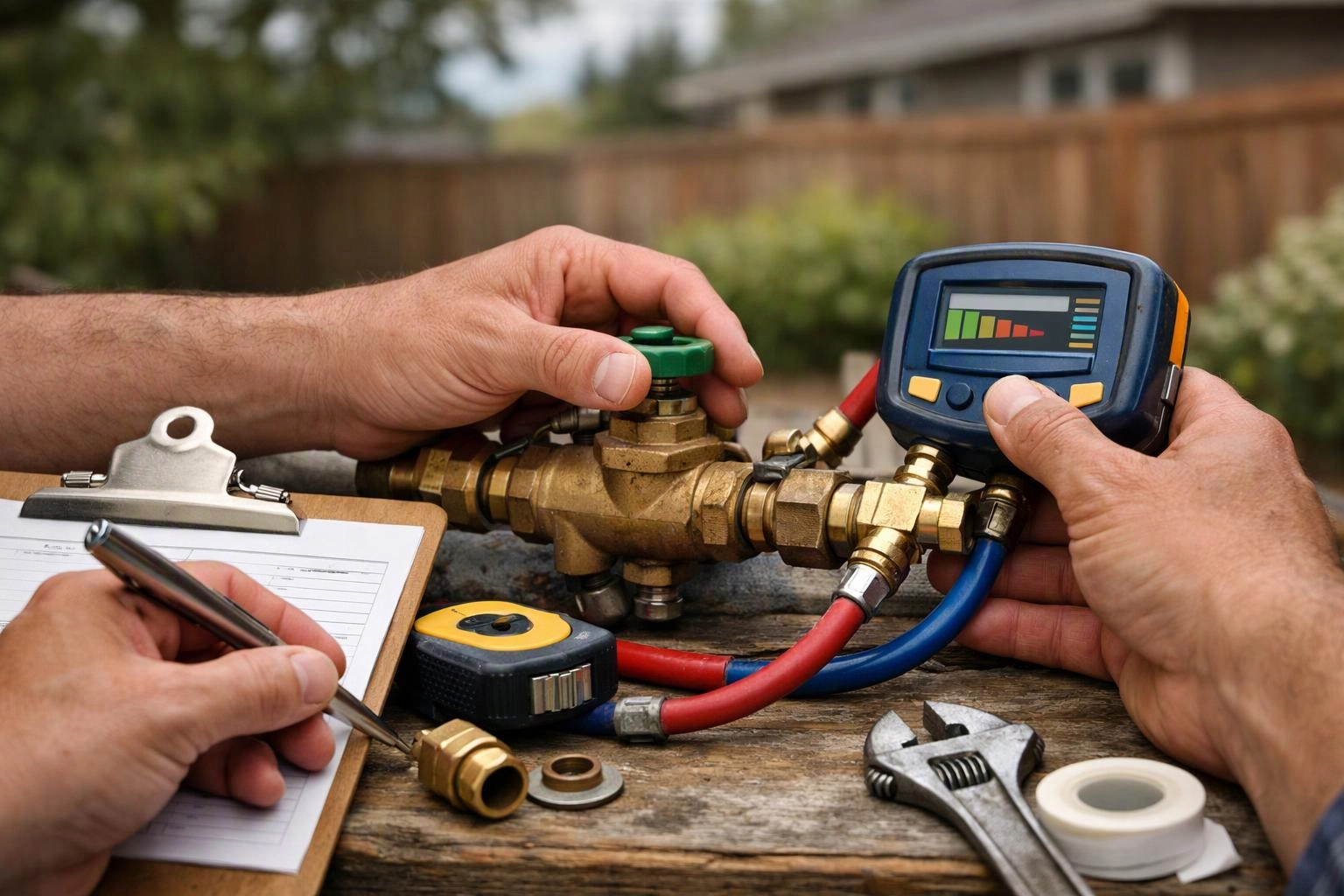
We explain whether the quote covers testing only, repair work, device replacement, or a complete installation. We also review how the water supply will be accessed and how the system will be checked after the work.
Ask our team to identify any assumptions about the pipe connection, shutoff valves, drainage, and installation location. Early clarification helps prevent confusion when site conditions differ from photos or records.
Ways to Avoid Unnecessary Backflow Project Costs
Early preparation can reduce avoidable site questions and help our team plan the right work. Good records also make repair and replacement decisions clearer.
These steps don't replace a site review when the device is concealed or damaged. They give our team better information before we prepare the quote.
How PlumbingKentwa.info Prepares Your Quote
Our quote process connects the backflow service requested with the device and site conditions that shape the work.
Our team will explain the work included in the quote and the information that supports it. To request a project review, use our contact page.
When Should You Request Backflow Testing or Installation?
Request a quote when a device fails testing, shows damage, needs replacement, or must be added to a changed water system.
A leaking device, corroded valve, missing preventer, or failed test result can signal that the water supply needs review. Water system changes can also create a new cross-connection concern or change the required installation location.
Our team can review the property requirements and explain whether testing, repair, replacement, or new installation fits the condition. Regulated plumbing work should be completed by PlumbingKentwa.info, not through unsafe do-it-yourself changes to the water system.
What Should You Send Before Requesting a Quote?
Send device photos, available test records, property details, and access notes so our team can review the likely scope.
Photos should show the full device, markings, pipe connections, shutoff valves, test ports, nearby drainage, and the surrounding installation location. Plumbing drawings can help when the water line runs through concealed areas.
Include any failed test results, leak concerns, property requirements, and installation goals. You can then request a quote through our contact page.