Which water line repair methods are available?
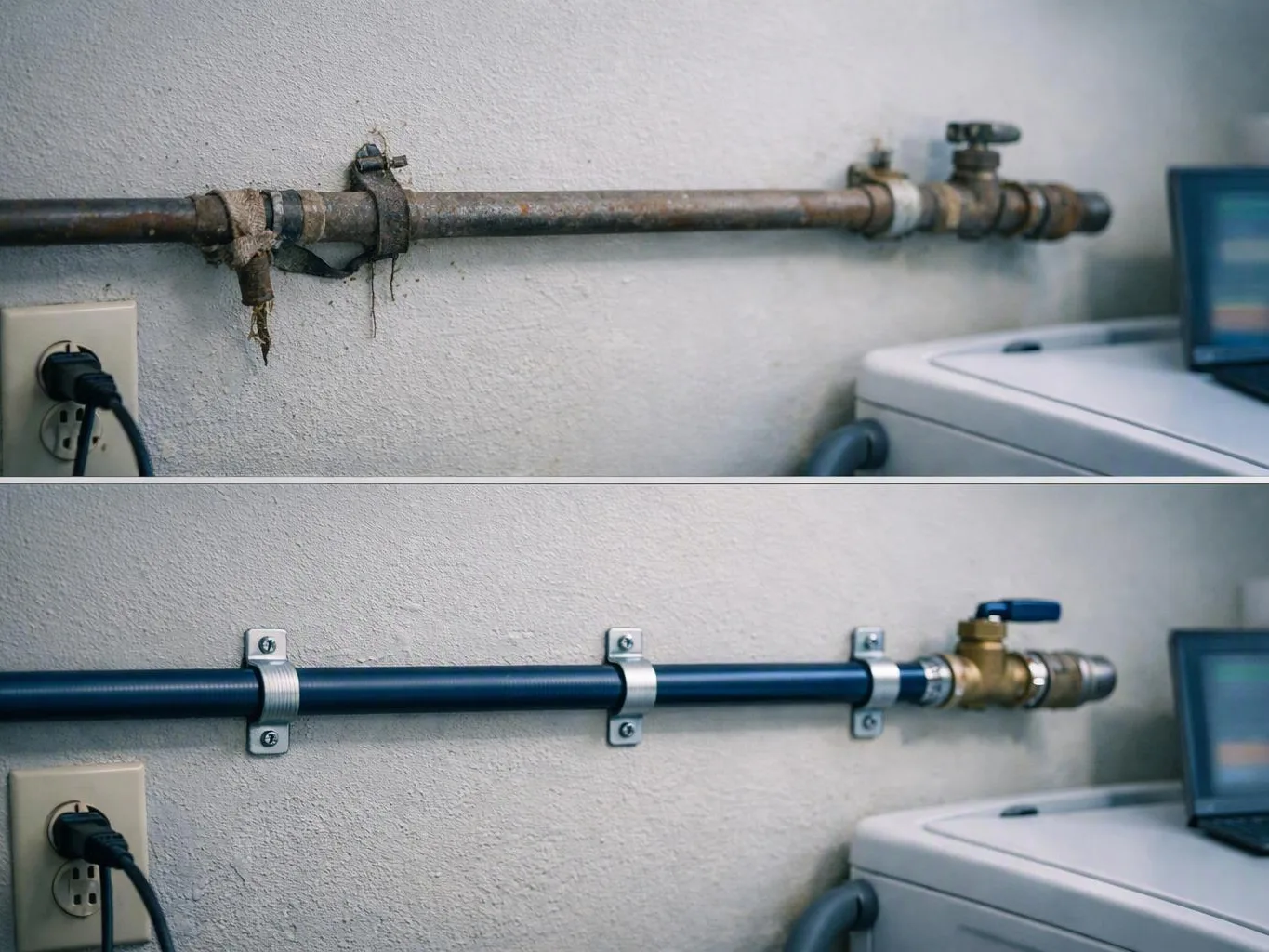
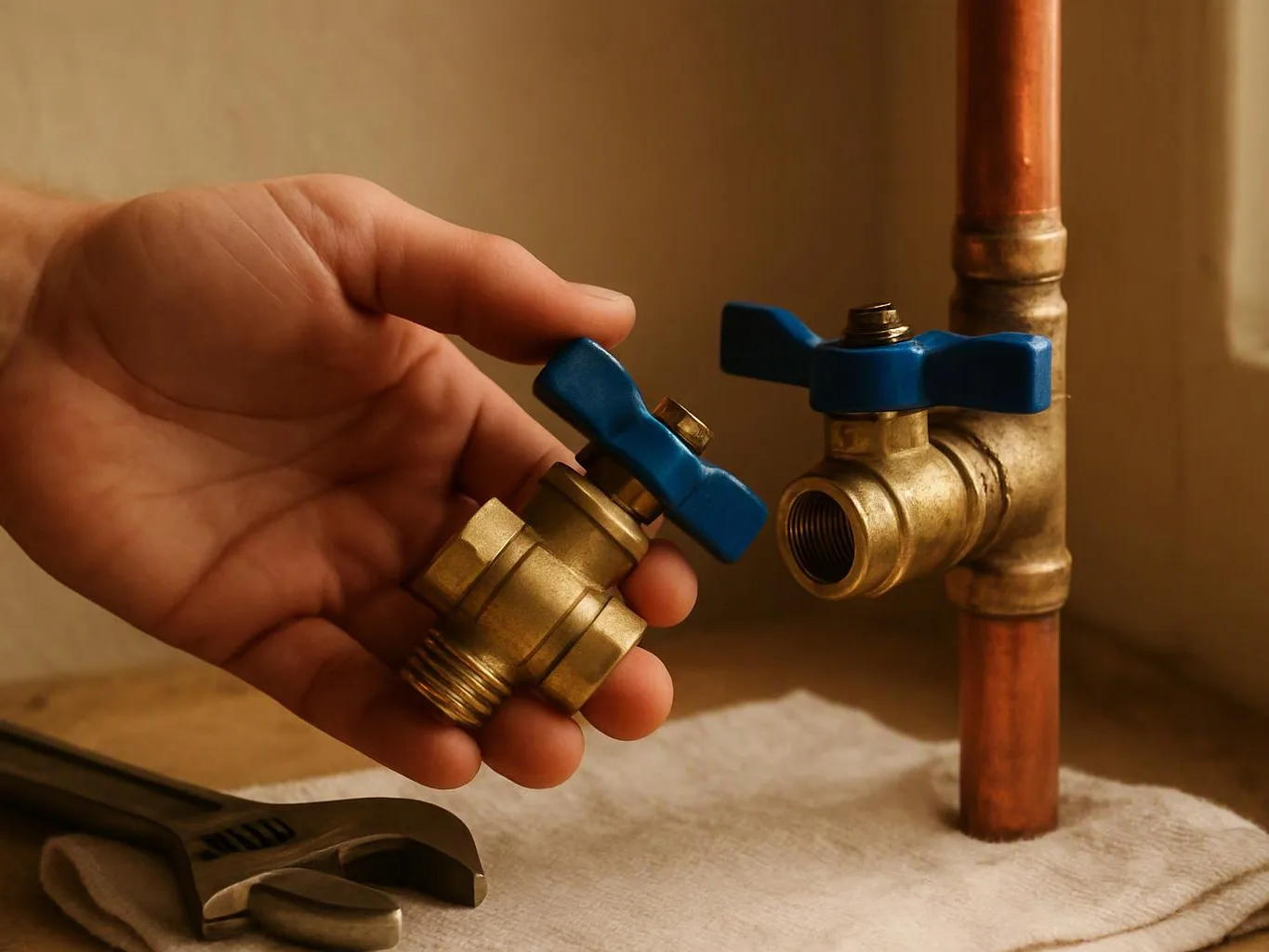
Compression fittings, spot repair, pipe replacement, copper piping, and PEX tubing are available methods. The choice follows the leak location, pipe condition, material, and access. A defined connection problem may suit a spot repair. Wider damage can require replacement. We explain the available method before starting the work.
How do I know whether the problem is a supply line?
A steady leak, low pressure, discolored water, or damp area can point to a supply line problem. Fixture leaks can look similar, so the connection and nearby piping need inspection. Share where the symptom appears and whether pressure changed. That information helps us focus the assessment.
For Water Line Repair, what part of the property decides the repair scope?
The pipe location and access usually decide the repair scope first. Lines behind walls, under cabinets, or near finished ceilings may need a different access plan than exposed piping. The affected fixture, shutoff point, material, and damage reach also matter. We explain those conditions before setting the work scope.
When is a spot repair a sensible choice?
A spot repair suits a defined damaged section when the surrounding pipe remains sound. The connection, nearby joints, and pipe surface still need review because a visible drip may not show the full problem. We use the inspection findings to explain whether a localized repair fits or whether replacement is more appropriate.
What changes the quote for a line repair?
The quote changes with damage extent, access, pipe material, isolation needs, and the selected repair method. A reachable connection may require less work than piping behind a finished wall or ceiling. We review the affected area and provide a quote based on the actual scope, not a generic service label.
Why should a property manager document a water line leak?
Photos and notes help show the leak location, visible damage, and steps taken to limit water exposure. Documentation can support communication with owners, tenants, maintenance staff, or an insurance representative. Keep records of the affected fixture, shutoff point, wet areas, and any changes in pressure before requesting an assessment.
How should I protect the property before water line work?
Close the accessible shutoff valve and move items away from the wet area if it is safe to do so. Avoid opening walls or cutting pipe before the line is assessed. Protect nearby flooring and cabinets, and note where water appears. A sewage backup or gas smell needs separate emergency handling.