How does a waterproof backer help prevent leaks during shower installation?
A waterproof backer helps protect shower walls from water that passes beyond the finished surface. The wall system still needs sealed joints, a sound drain gasket, and careful fixture connections. We check those points together because one weak connection can let moisture reach the wall cavity. Visible dampness, soft surfaces, or a musty smell should prompt an inspection before the shower stays in use.
What should I confirm before approving a new shower installation?
The approved scope should identify the drain position, wall protection, fixtures, joints, access needs, and plumbing repairs. Ask whether the quote includes the slope base and drain connection, not only the visible trim. Existing wall damage or a changed layout can add work. A clear scope helps homeowners, property managers, and businesses compare the same parts of the job.
Which bathroom conditions can change the installation plan?
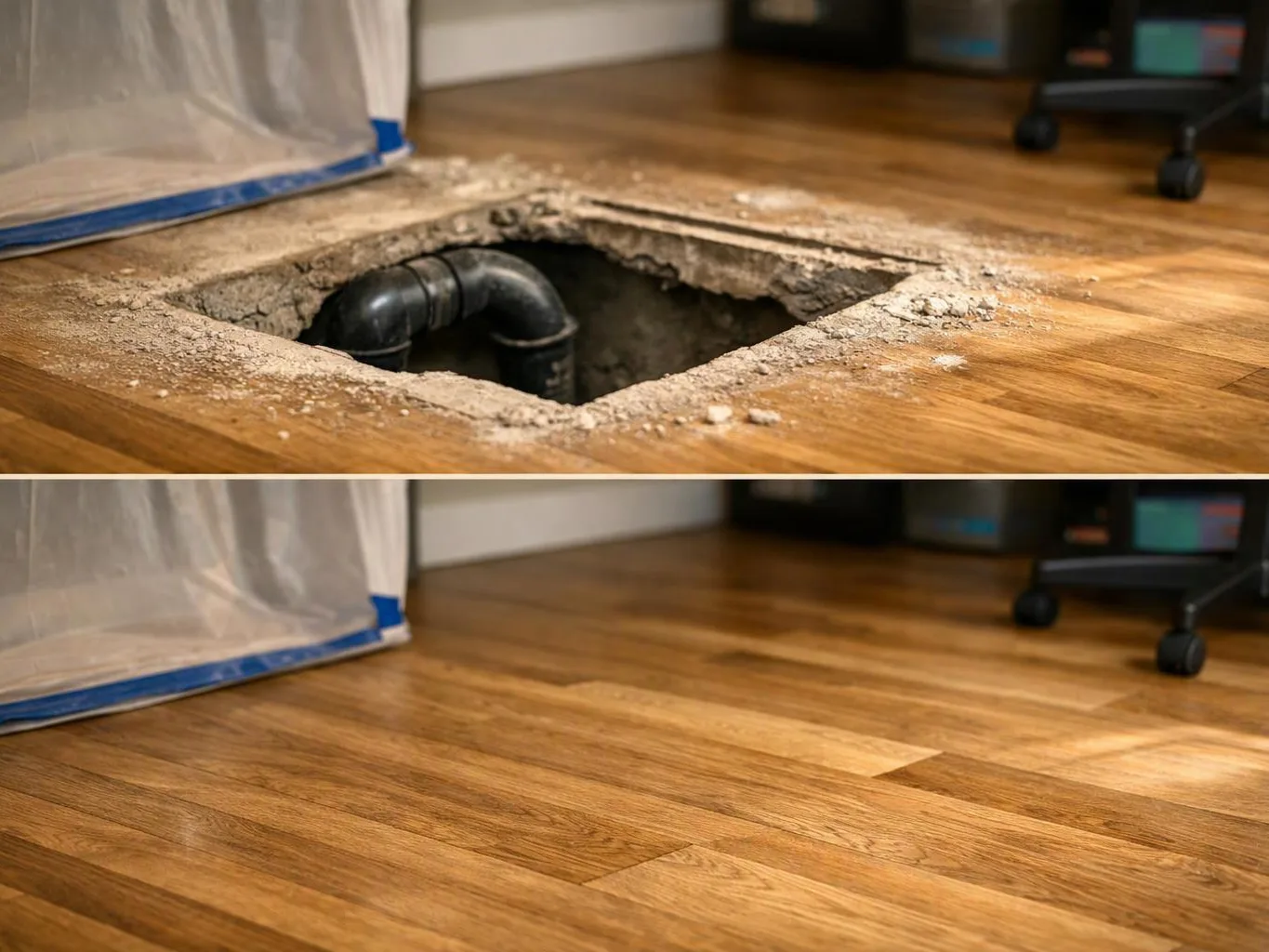
Existing drain placement, damaged walls, limited access, supply-line condition, and the chosen fixture layout can change the plan. A shower base may need different preparation when the drain does not align with the proposed position. We inspect those conditions before recommending the work. Photos can help, but an on-site assessment gives a better view of concealed or hard-to-reach connections.
When should a shower leak receive urgent plumbing attention?
A shower leak needs urgent attention when water reaches electrical areas, a ceiling, a wall cavity, or another finished room. Stop using the fixture and limit nearby water use if the leak is active. We can assess the drain, joints, wall protection, and supply connections. Prompt isolation helps prevent property damage while the repair or installation scope is decided.
Why can a new shower still leak around the drain?
A new shower can leak around the drain when the gasket, connection, base, or surrounding seal does not sit correctly. The slope base must also move water toward the drain without leaving standing water. We inspect the drain assembly and nearby wet-area joints to locate the path. Continued use can spread moisture below the shower, so the area should be checked promptly.
How do you match shower fixtures to the bathroom layout?
Fixture placement follows the room layout, existing supply lines, drain position, wall space, and access needs. We review the valve location, shower head position, trim, and service access before setting the installation scope. The selected fixtures also need to fit the planned wall and base system. This review helps prevent a finished layout that makes future plumbing service difficult.
What information helps you prepare a shower installation quote?
Photos of the shower, drain, valve, nearby walls, and visible water damage help us understand the starting conditions. Include the property type, preferred fixture changes, known leaks, and any access limits. Existing plumbing repairs, wall damage, drain changes, and fixture choices affect the scope. We use those details to discuss the work and prepare a quote based on the property.