Skip to content

Backflow Preventer Installation Lakewood Washington

Reduced pressure protection is the right starting point when the plumbing system needs stronger backflow control in Lakewood. We match the device to the property's water use and layout.

5 · 13 ReviewsLicensed & InsuredWarranty AvailableSame-Day Service

How We Serve Clients in this area

Backflow Preventer Installation in Lakewood is provided by PlumbingKentwa.info for homes, rental properties, offices, and commercial spaces. The service covers device selection, access checks, fitting, and practical plumbing guidance, with support for urgent plumbing needs.

  • What we do: PlumbingKentwa.info provides Backflow Preventer Installation for residential and commercial properties in Lakewood, Washington.
  • What is included: device selection, pipe access review, shutoff checks, installation planning, and plumbing repair guidance.
  • What you get: Backflow protection is fitted to the property's plumbing layout and water-use needs.

Why does my backflow preventer keep failing in Lakewood, Washington?

Repeated failure can point to a poor device match, worn internal parts, debris, or a plumbing condition that needs review. A plumber should check the preventer, shutoff points, connected fixtures, and surrounding pipework before recommending repair or replacement. Ongoing leaks, unusual discharge, or loss of water pressure deserve prompt attention because they can affect safe water flow.
Our Track Record

Average Rating
5
Customer Reviews
13

Backflow Preventer Installation for Lakewood Properties

Backflow Preventer Installation focuses on the point where water could move in the wrong direction. The job suits homes, rental properties, offices, and businesses that need a device matched to their plumbing system and water use.

The key decision is the type of protection the property needs. A reduced pressure device may suit a higher-risk connection, while an air gap, double check, or pressure vacuum device may fit a different layout. The final choice depends on the connection, access, existing valves, and the risks linked to the connected equipment.

This service is not a substitute for leak detection, drain cleaning, or sewer line work. If the concern is a dripping faucet, slow drain, or sewer smell, another plumbing service may be the better fit. We can help separate the backflow concern from other plumbing faults before work begins.

  • Identify the water connection that needs backflow protection.
  • Check access to the pipe, shutoff points, and nearby fixtures.
  • Match the preventer type to the plumbing layout and water-use risk.
  • Review whether related leaks, pressure problems, or damaged valves need attention.
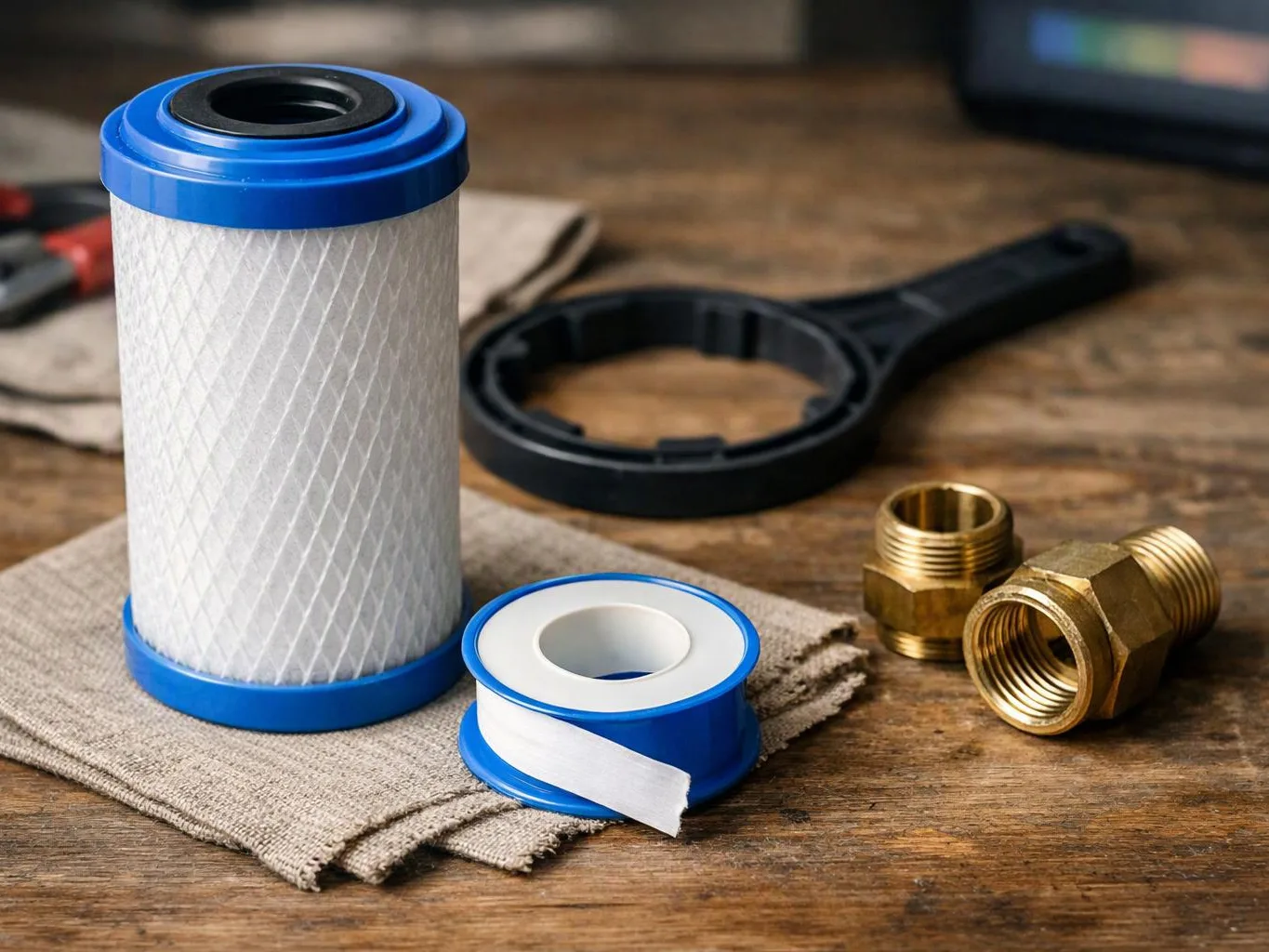
A white filter cartridge, plumber’s tape, brass fittings, and a black housing ring sit on a wooden workbench

Service Overview

Backflow Preventer Installation is a plumbing service that fits a device to help stop contaminated water from moving into a clean water supply.

  • The work differs from drain cleaning because it protects water flow at a supply connection instead of clearing waste lines.
  • Coverage includes homes, rental properties, offices, and commercial spaces in Lakewood.

Typical costs and sizing

“The RPBA must be installed 12″ above ground to prevent the relief valve opening from becoming submerged.”

Source: wawater.com·Year: 2026

What the Right Backflow Device Changes

A matched device helps protect the clean water supply from unwanted reverse flow.

Correct placement supports dependable water flow through the connected plumbing.

Early checks can uncover worn valves, poor access, or pipe conditions that affect the installation.

Clear device selection helps property owners understand what the installation is meant to protect.

Regular plumbing maintenance can help spot leaks, pressure changes, and worn parts before they become larger concerns.

Process

How We Plan and Complete the Installation

1

Review the water connection

We identify the connected fixture, equipment, or line and note how water enters and leaves the system.

2

Check access and shutoffs

We inspect the pipe route, available work space, shutoff points, and nearby parts that could affect the installation.

3

Select the protection type

We compare the property's water use and connection conditions with the available device types.

4

Fit the backflow device

We install the selected preventer and connect it to the existing plumbing with attention to flow direction and service access.

5

Explain the completed work

We review the device location, related findings, and practical maintenance points with the property owner or manager.

Why Property Owners Review the Device Fit First

Match the device to the risk

The water connection and its use guide the device choice. A device selected without checking the layout may not suit the plumbing system.

Check access before fitting

Pipe access, shutoff locations, and nearby fixtures affect how the work is planned. We explain access needs before the installation scope is set.

Separate backflow from other faults

A backflow preventer won't fix a clogged drain, sewer backup, or unrelated leak. Those conditions need their own diagnosis and service.

What Backflow Preventer Installation Includes

PlumbingKentwa.info provides comprehensive Backflow Preventer Installation in Lakewood. Here's what you get:

  • We review the connection, nearby fixtures, pipe route, and available access.
  • We discuss whether a reduced pressure, air gap, double check, or pressure vacuum device fits the setup.
  • We check shutoff points and the condition of nearby plumbing before fitting the device.
  • We install the selected backflow preventer as part of the property's plumbing system.
  • We explain the work completed and any related plumbing concern found during the visit.

Backflow Protection Options for Different Connections

These options differ by how they interrupt or limit reverse water flow, so the plumbing connection must be reviewed first.

Protection optionHow it worksBest fit depends on
Reduced pressure deviceUses check valves and a relief path.Connection risk, water use, and service access.
Air gapCreates physical space between the outlet and receiving vessel.Fixture design and the available separation.
Double checkUses two check valves in the water line.Connected equipment and the line layout.
Pressure vacuum deviceHelps limit certain reverse-flow conditions.Pressure conditions and the connected plumbing.

Our Standard

  • Responsive Service
  • Honest Communication
  • Professional Workmanship
  • Property Protection

Customer Reviews for Backflow Preventer Installation in Lakewood

5(13 Customer Reviews)View our Google Business Profile
Michael Melvin
Michael Melvin
a year ago
Verified on Google
Incredibly polite service. Answering all my questions. Done in a timely manner.
Bruce Morehead
Bruce Morehead
10 months ago
Verified on Google
Ryan was so helpful and friendly, and extremely knowledgeable. Thank you so much!!
tracy dunbar
tracy dunbar
Local Guide9 months ago
Verified on Google
Great service, good quality and you can't beat their pricing.

Questions About Backflow Preventer Installation

Which backflow preventer type fits a plumbing system for Backflow Preventer Installation?

Reduced pressure protection fits connections that need stronger control of backflow risk. The correct choice depends on the water use, connected equipment, pipe layout, and available access. An air gap, double check, or pressure vacuum device may suit another setup. A plumber should review the connection before the device is selected, because the wrong type can leave the system poorly matched.

How should I prepare before the plumber reviews the connection?

Clear access to the pipe, shutoff valves, nearby fixtures, and connected equipment before the review. Photos can show the device, labels, leaks, and surrounding pipework. Keep valves in their current position unless there is an active leak that requires isolation. These details help the plumber understand the layout and identify work that may sit outside the device installation.

What details change the quote for this installation?

The device type, pipe access, existing valves, connection layout, and related repairs change the quote. A simple replacement may need a different scope than a new connection with limited access. Share the property type and the equipment connected to the line. We can then explain which parts of the work shape the requested quote.

When does a backflow concern need prompt plumbing attention?

A continuous discharge, sudden pressure change, visible leak, or suspected contamination needs prompt plumbing attention. These signs can point to worn parts, debris, a failed valve, or a wider system issue. Keep people away from visibly affected water and avoid using the connection until it is assessed. The inspection should cover the preventer and nearby plumbing.

Why might a new device need more than a simple swap?

A new device may need more than a simple swap when the old connection has worn valves, poor access, damaged pipe, or a different flow direction. The surrounding plumbing can affect fit and future service. Our team checks those conditions before setting the work scope. That review helps separate device replacement from repairs that need their own attention.

What should a property manager confirm before approving the work?

A property manager should confirm the connected equipment, device type, access plan, shutoff location, and related repair scope. Ask which parts are being installed and what existing plumbing needs attention. For a commercial property, share any access limits or operating concerns before scheduling. Clear details help the owner compare the proposed work with the property's actual needs.
Contact

Request a Backflow Preventer Installation Quote in Lakewood

Share your property's connection details and request a quote, urgent requests get priority scheduling.

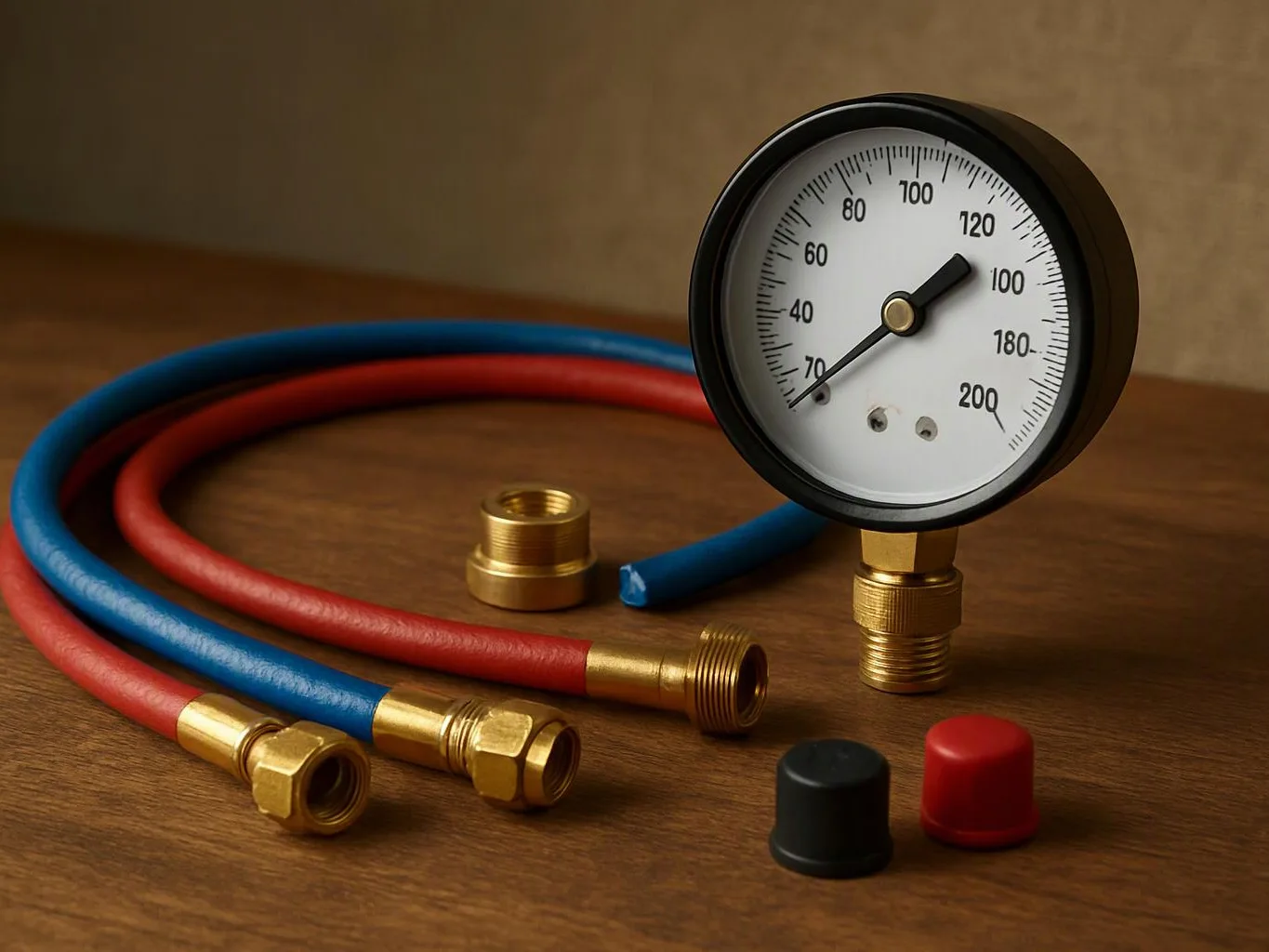
A pressure gauge with red and blue hoses and brass fittings sits on a wooden table

ZIP Codes We Serve in Lakewood, Washington

9843998496984979849898499

Backflow Preventer Installation in Other Areas

(425) 475-3519