Whole-House Repiping vs. Pipe Repair
Whole-house repiping replaces most or all supply piping, while pipe repair addresses a specific damaged section. At PlumbingKentwa.info, we use pipe condition, failure patterns, access, and future risk to help choose the right scope. The decision also considers disruption, maintenance needs, fixture connections, and the estimate scope.
Request an EstimateWhole-House Repiping and Pipe Repair Compared
Whole-house repiping fits widespread or recurring pipe problems, while pipe repair fits an isolated failure with otherwise sound piping. The right choice depends on the water supply piping, pipe material, access conditions, and repair history.
Use the comparison below as a starting point. Our plumbing inspection connects visible symptoms with the condition of the connected system.
Quick Picks
- Whole-house repiping fits aging plumbing, recurring leaks, and broad corrosion.
- Targeted pipe repair fits a localized leak with usable remaining piping.
| Factor | Whole-House Repiping | Targeted Pipe Repair | Key Trade-Off |
|---|---|---|---|
| Cost drivers | Usually higher because more piping, access, labor, and restoration are included. | Usually lower when one accessible section needs work. | Lower immediate scope may leave older piping in service. |
| Project scope | Most or all connected water supply lines. | One leak, fitting, valve, or damaged pipe section. | The affected area determines the work boundary. |
| Maintenance | Creates a more consistent system for future maintenance planning. | Preserves sound existing piping but may require later repairs. | Future risk depends on remaining pipe condition. |
| Best for | Recurring leaks, multiple leak locations, or widespread corrosion. | An isolated failure in otherwise usable piping. | A plumbing inspection should confirm the scope. |
Whole-house repiping offers broader risk control, but it requires more access and coordination. Targeted repair creates less disruption when the problem is truly limited.
What Does Whole-House Repiping Include?
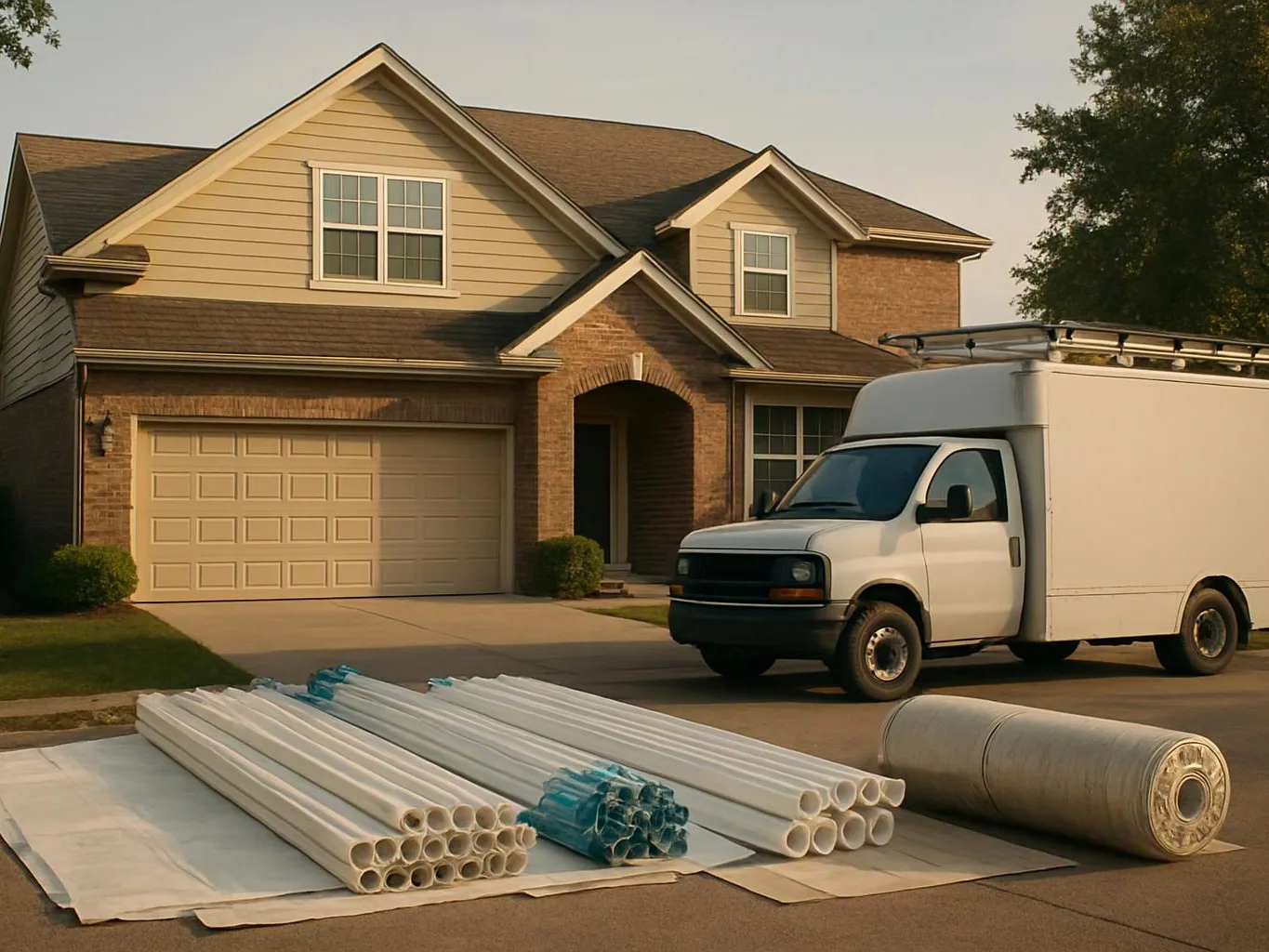
Whole-house repiping replaces the home's connected water supply piping and restores service through the affected fixtures. The work may include supply lines, branch lines, shutoff valves, and fixture connections.
Our crew reviews pipe material, water pressure, and the available pipe access before setting the scope. Wall and ceiling access may be needed, and plumbing restoration should be included in the estimate.
Whole House Repiping can cover a planned replacement when the existing system has broad or hidden pipe damage.
When Is Pipe Repair the Better Scope?
Pipe repair is the better scope when one damaged section causes the problem and the remaining piping is in usable condition. An isolated leak, localized corrosion, or damaged fitting may need only section repair.
Our team checks the leak location, pipe material, accessibility, and remaining pipe condition. We also review whether the same system has a pattern of recurring leaks.
Advantages of Whole-House Repiping
Whole-house repiping can make sense when the supply system shows broad wear. The main benefit is a planned response to system-wide risk.
Best for: Whole-house repiping suits widespread corrosion, repeated failures, or multiple leak locations.
Advantages of Targeted Pipe Repair
Targeted pipe repair keeps the project focused when damage is localized. The approach can reduce access work and protect sound existing piping.
Best for: Targeted pipe repair suits an isolated failure with no clear pattern of broader pipe damage.
What Changes the Cost of Each Option?
Repiping and repair costs depend on the pipe material, affected area, access, labor scope, restoration work, and required inspections. A whole-house project usually has broader cost drivers because it covers more connected piping.
Our estimate considers home size, pipe layout, fixture count, affected sections, and water shutoff requirements. Wall and ceiling restoration, permit and inspection requirements, and protection of finished areas also affect the estimate scope.
Repair cost drivers usually include the leak location, fitting type, pipe access, and remaining pipe condition. We explain included work, restoration, exclusions, and inspection needs before preparing a written estimate.
To obtain an exact quote, request an inspection so our team can review the piping and prepare a scope-based estimate.
How We Assess Repiping Versus Repair
Our plumbing inspection connects the leak location and pipe condition to the safest practical project scope. We use the following review process before preparing a written estimate.
A licensed plumbing team should handle regulated plumbing work, pressure testing, and required inspections. Our written estimate explains the recommended scope and the work needed to restore service.
What Should a Whole-House Repiping Estimate Include?
A whole-house repiping estimate should identify the replacement scope, materials, access work, restoration, inspections, exclusions, and quote terms. Clear details help homeowners compare the planned work with the condition found during inspection.
The estimate should list included pipe replacement, pipe material, fixture connections, valves, access openings, and protection of finished areas. It should also explain wall and ceiling restoration, cleanup, inspection coordination, and warranty terms.
Service exclusions matter when parts of the plumbing system remain unchanged. Our team identifies those limits so future maintenance planning is easier.
Which Option Fits Your Plumbing Problem?
Choose whole-house repiping for broad or recurring failures, and choose pipe repair for a clearly isolated problem in otherwise sound piping. Symptoms alone don't establish the correct scope.
Recurring leaks, multiple leak locations, visible corrosion, discolored water, or changing water pressure can point to broader plumbing risk. An isolated failure with stable service may support targeted repair.
Our team weighs future maintenance, pipe material, access conditions, repair history, and the cost drivers for each option. We then explain the findings in a written estimate so you can choose a practical scope.
For a project review, use our contact page to request an inspection and estimate.
Get a Free EstimateQuestions About Repiping and Pipe Repair
Can one repaired pipe fail again if the rest of the plumbing is old?
Yes, one repaired pipe can fail again when the remaining plumbing has widespread wear or corrosion. Our team reviews the repair history and nearby pipe condition before recommending section repair.
What warning signs suggest more than one pipe needs attention?
Recurring leaks, multiple leak locations, visible corrosion, discolored water, and changing water pressure can suggest broader pipe problems. A plumbing inspection helps connect those signs to the supply system.
Does pipe material affect whether repair or repiping makes sense?
Yes, pipe material affects corrosion risk, connection methods, access needs, and the condition of the remaining system. Our team includes the material assessment in the recommended scope.
What should homeowners prepare before a plumbing inspection?
Homeowners should note leak locations, changes in water pressure, discolored water, prior repairs, and fixtures that show symptoms. Clear access to visible plumbing areas helps our team review the system.