Signs a Sewer Line May Be Clogged or Damaged
Signs of a clogged or damaged sewer line include several slow drains, repeated backups, gurgling toilets, sewage odors, and wet areas. PlumbingKentwa.info uses sewer camera inspection to help identify the cause and guide repair or replacement decisions.
Request an EstimateWhat Are the Warning Signs of a Clogged or Damaged Sewer Line?
The main warning signs are repeated drainage problems, unusual plumbing sounds, sewage odors, backups, and unexplained wet areas.
A sewer line clog restricts wastewater flow through the waste line. Sewer line damage can also cause slow drainage, standing wastewater, or leaks around the underground pipe.
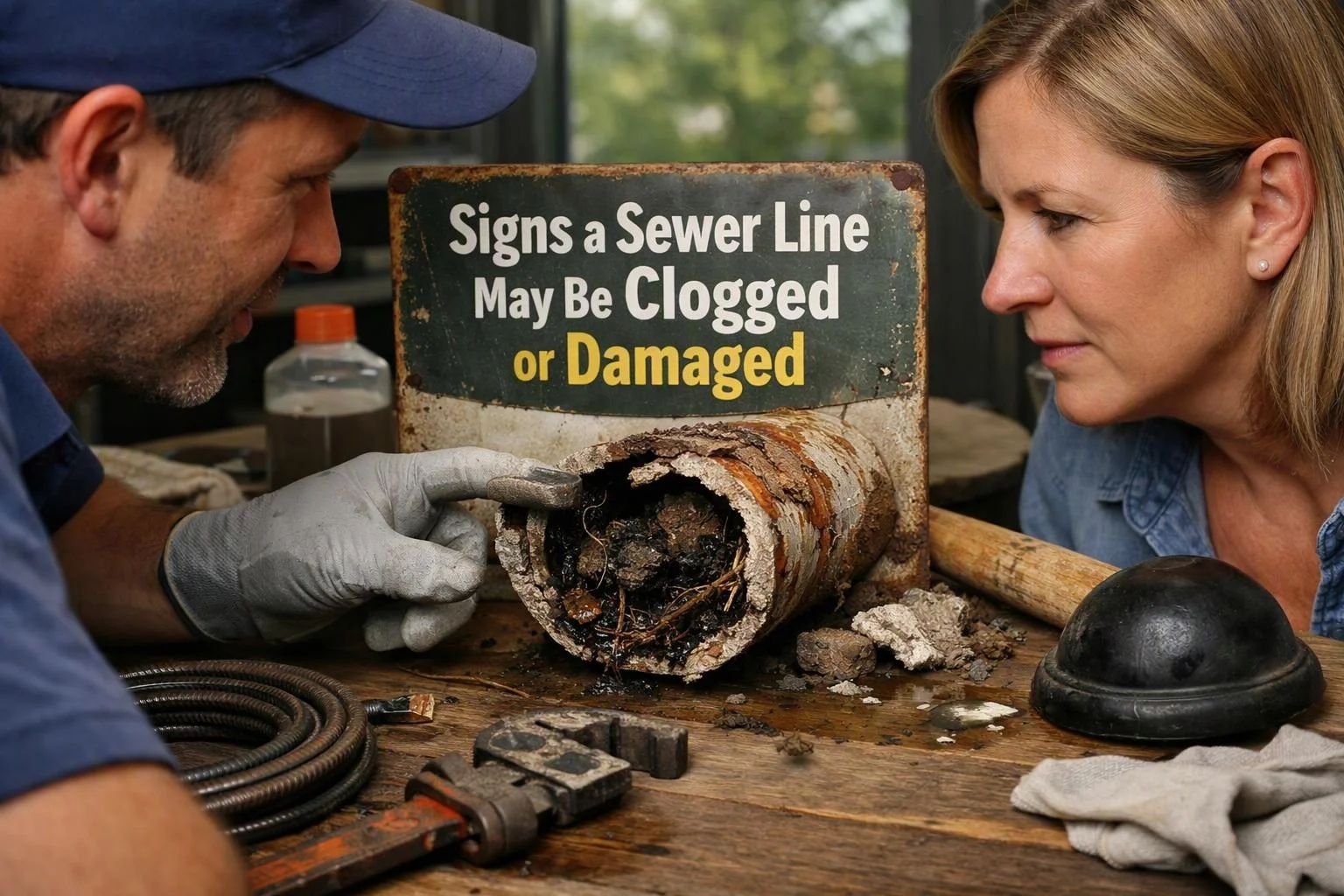
One slow fixture may have a local drain problem. Several symptoms together deserve closer attention because they can involve the house sewer connection or a damaged pipe joint.
Why Do Multiple Drains Back Up at Once?
Multiple drains backing up at once usually points to a restriction in the main sewer line or a shared branch drain.
A branch drain carries wastewater from several nearby fixtures. The main sewer line carries flow from the home toward the public sewer or private treatment system.
When either path is blocked, wastewater cannot leave normally. Water may rise through the lowest fixture, and using more plumbing can make the drain backup worse.
How Do Gurgling Toilets and Shower Backups Point to a Sewer Problem?
A gurgling toilet or shower backup can show that trapped air and wastewater can't move normally through the drain system.
A toilet may gurgle when another fixture drains because air pressure changes around a drain blockage. The sound can also occur when wastewater is pushing against a restriction in the main line.
Water backing up into a shower when you flush the toilet is a stronger warning. The shower drain sits low, so wastewater may rise there when the connected sewer path cannot carry normal flow.
What Can You Do Yourself, and When Should We Inspect the Sewer Line?
You can check visible fixtures and avoid adding water, while we inspect the sewer line when problems repeat or affect several fixtures.
Safe observations can help us understand the pattern. Regulated plumbing work and underground sewer repairs should be handled by our licensed team.
| Factor | What you can do yourself | What we do |
|---|---|---|
| Drain cleaning | Notice which fixtures drain slowly and avoid adding more water. | We assess the pattern and choose a safe cleaning method for the blockage. |
| Plumbing fixtures | Check for visible water, odors, and unusual toilet or shower activity. | We check connected drains and look for signs of a shared sewer problem. |
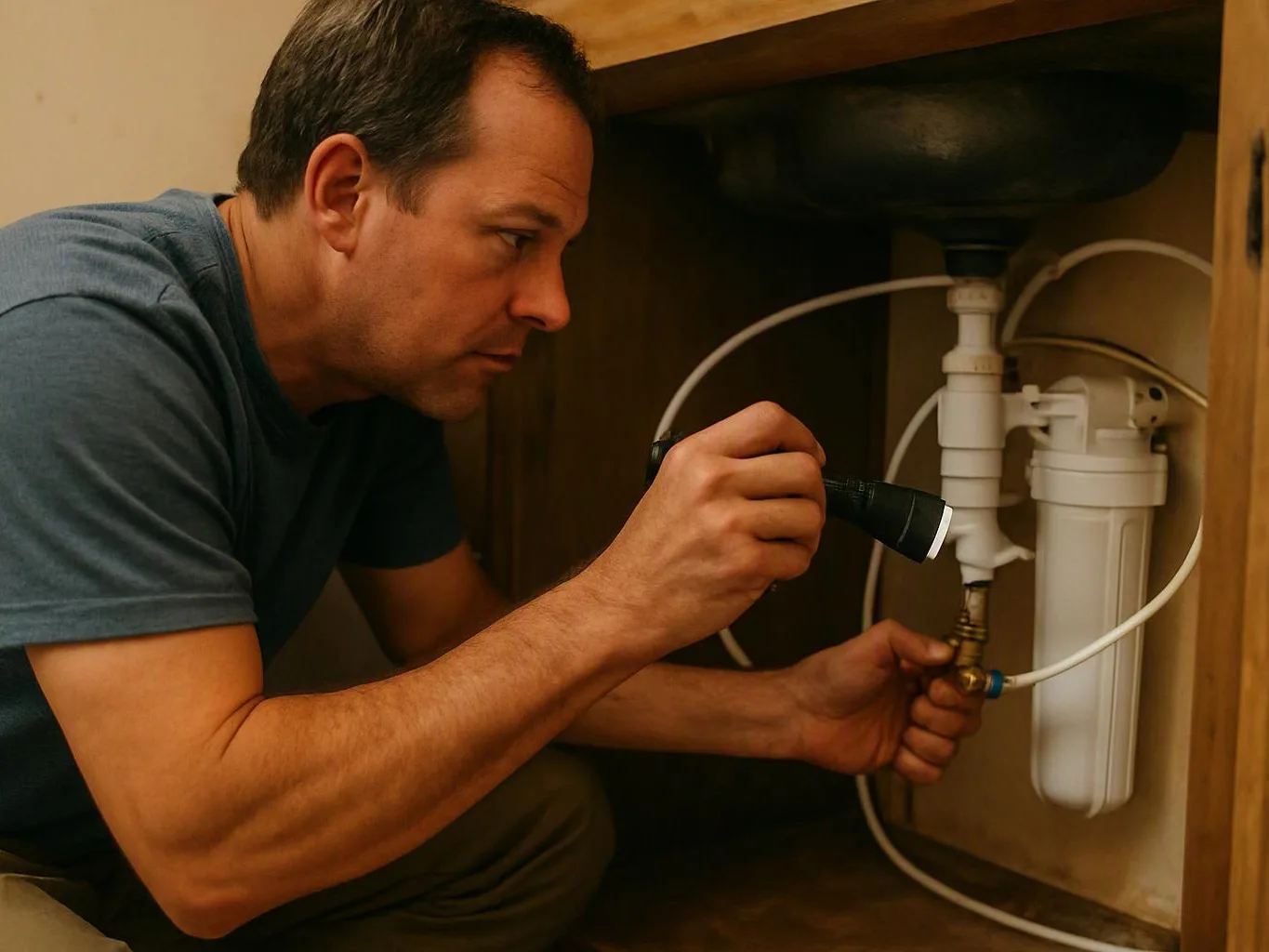
| Sewer camera inspection | Keep access areas clear and tell us when symptoms occur. | We guide a camera through an access point to view the drain pipe. |
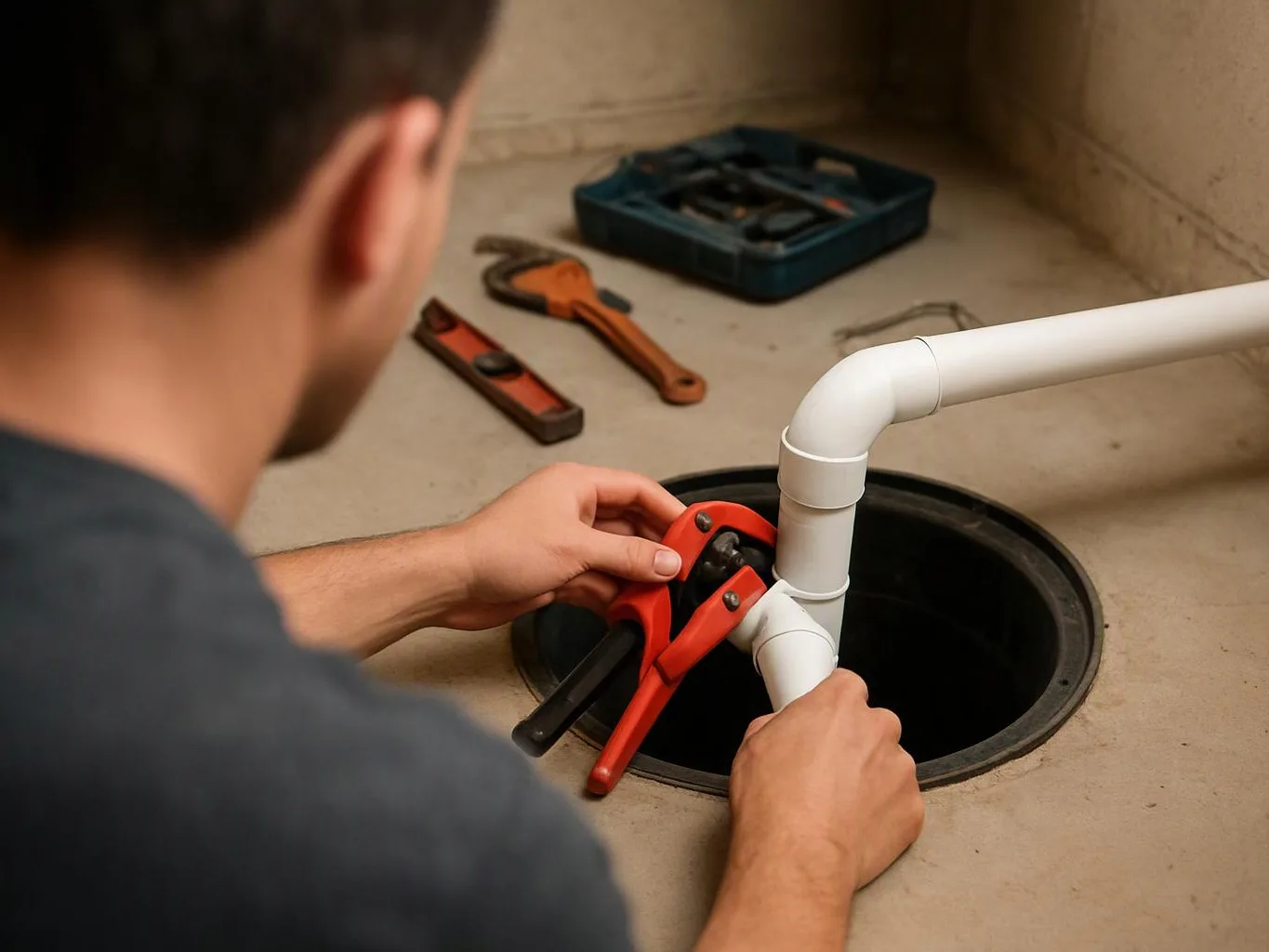
| Repair decision | Do not dig or attempt underground pipe work. | We explain whether sewer line repair, replacement, or trenchless sewer repair fits the findings. |
Our Sewer Camera Inspection helps separate a removable clog from physical damage. The findings also help us plan work without guessing about hidden pipe conditions.
Why Does a Home Smell Like Sewage?
A sewage smell can come from a dry drain trap, a damaged connection, or wastewater escaping from the sewer system.
A drain trap holds water that blocks sewer gas from entering the home. If the trap dries out, sewer gas may pass through the drain opening.
A persistent sewage odor can also point to sewer line damage, a separated pipe joint, or a wastewater leak. We inspect the nearby plumbing and sewer path when the smell continues or appears with slow drainage.
How We Confirm a Clogged or Damaged Sewer Line
We confirm a clogged or damaged sewer line by inspecting the pipe through an accessible connection and reviewing the camera findings.
A camera scope shows the pipe condition and the location of visible defects. It gives our team a clearer basis for choosing the next step.
What Changes the Sewer Line Repair or Replacement Plan?
The sewer line plan depends on the blockage or damage, pipe condition, location, access, and whether the existing line can be repaired.
Pipe material affects how the line responds to cleaning and repair. Damage type also matters because root intrusion, a cracked sewer pipe, and a collapsed sewer pipe need different solutions.
Pipe location and access conditions can affect the work method. Our team uses the sewer camera findings to explain the repair or replacement options, including trenchless sewer repair when the line and site conditions allow it.
We provide the scope of work and quote after reviewing the actual sewer condition. Contact us through our contact page to arrange that review.
Questions About Clogged or Damaged Sewer Lines
Can a sewer line clog clear itself?
A sewer line clog may shift temporarily, but repeated symptoms still need inspection. Wastewater can flow for a short time before the blockage causes another backup.
Can tree roots damage a sewer line?
Yes, tree roots can enter weak pipe joints or cracks and restrict wastewater flow. Our camera inspection shows whether root intrusion is present and how it affects the pipe.
What does a sewer camera inspection show?
A sewer camera inspection shows the inside condition of the drain pipe and visible problems along its path. The view can reveal blockages, root intrusion, cracks, collapsed sections, and separated joints.